
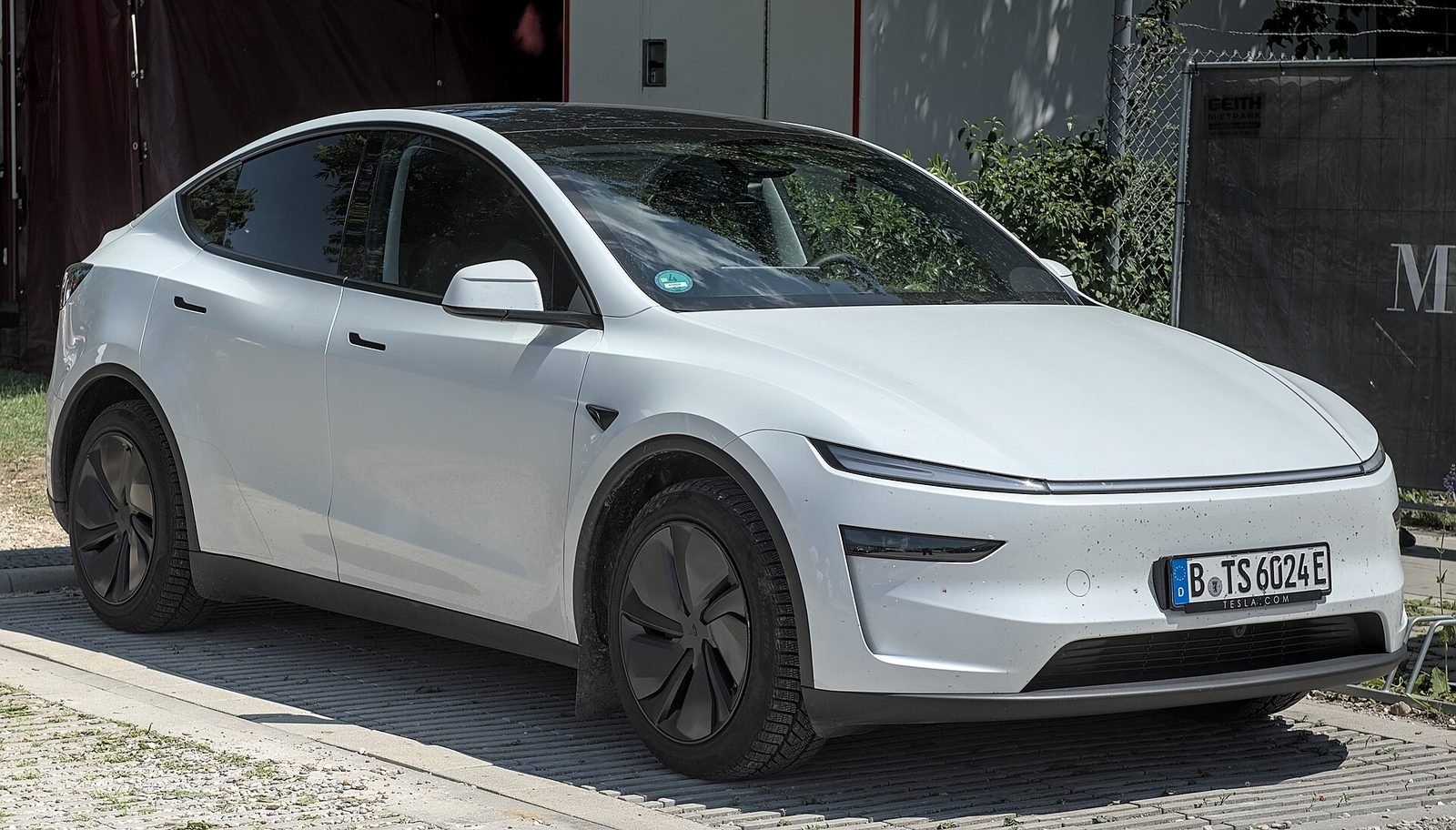
Tesla recorded stronger registrations across several European markets in September, extending a recovery that may help steady its position in one of the world’s most competitive regions for electric cars.
Reuters reported that Tesla registrations rose 61.9% year on year in France, 38.4% in Sweden and 2.2% in Norway during September. The figures follow a broader improvement across Europe earlier in the year.
Between January and August, Tesla registrations across the European Union, the United Kingdom and EFTA markets rose 43.3%, according to data reported by Reuters. Over the same period the battery-electric market grew 38.8%.
Tesla registrations rose 61.9% year on year in France, 38.4% in Sweden and 2.2% in Norway.
The results matter beyond Europe, because the region has become an important test of how established electric marques respond to fast-expanding competition. Chinese manufacturers are pushing more models into European markets, while traditional firms widen their electric ranges across several price tiers.
Tesla’s performance is also shaped by the age of its core line-up, its price position and the availability of incentives in each individual market. September figures from major markets such as Britain and Germany were expected to give a clearer picture of the company’s overall momentum.
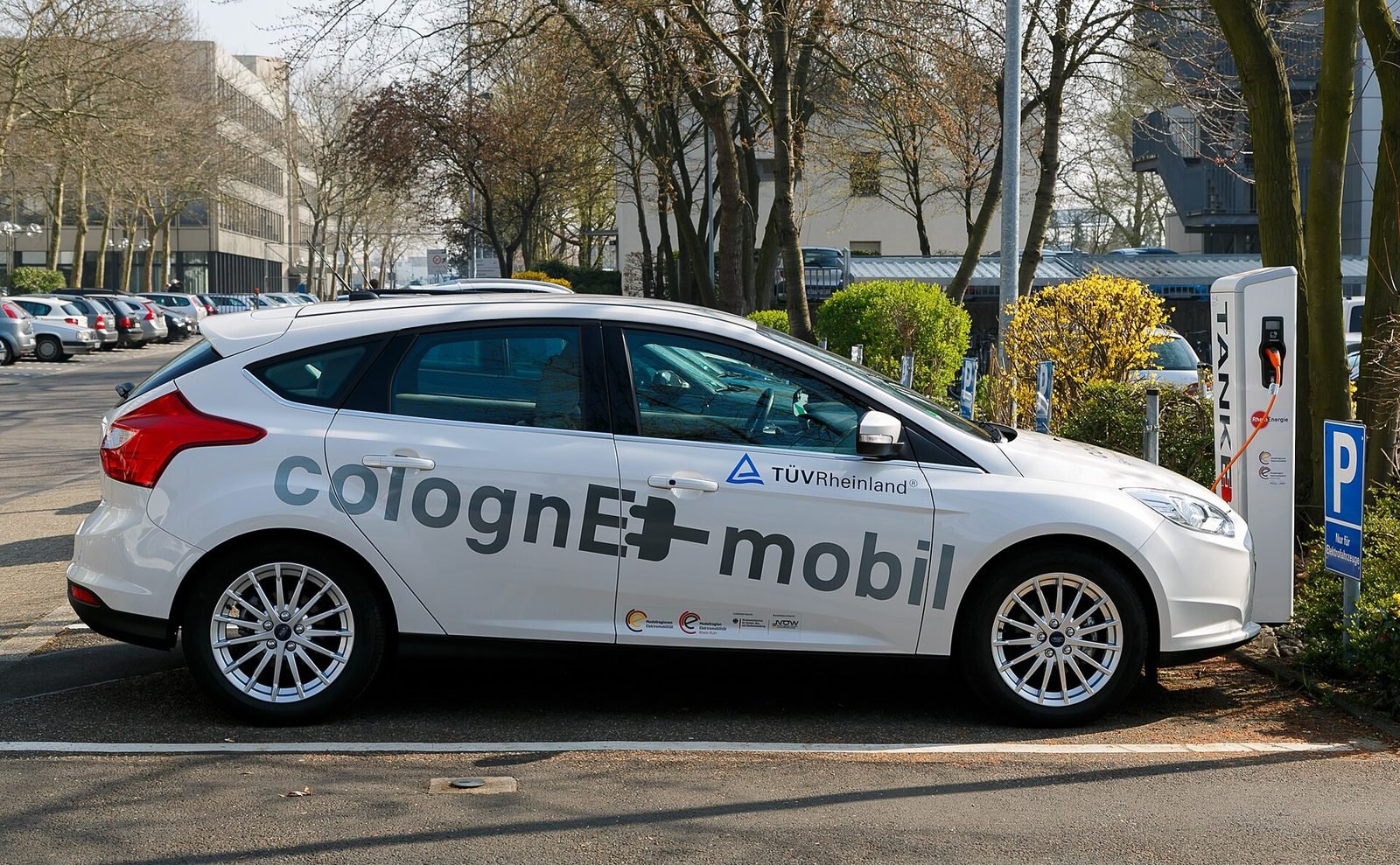
For the Gulf reader, Europe remains a useful indicator of competition in electric cars, because many of the same manufacturers and technologies eventually reach the UAE and the region’s other markets. Stronger competition may accelerate charging performance, battery development and software features, and put pressure on prices.
But registration growth in Europe should not be read as a direct forecast for the Gulf states. Charging infrastructure, incentives, climate, consumer preference and taxation differ sharply from one market to another.
Gulf Auto will keep tracking Tesla’s pricing strategy and line-up in this region separately from its European performance. September’s data shows a recovery across several European countries, but whether that trend holds will depend on a wider set of market results in the months ahead.