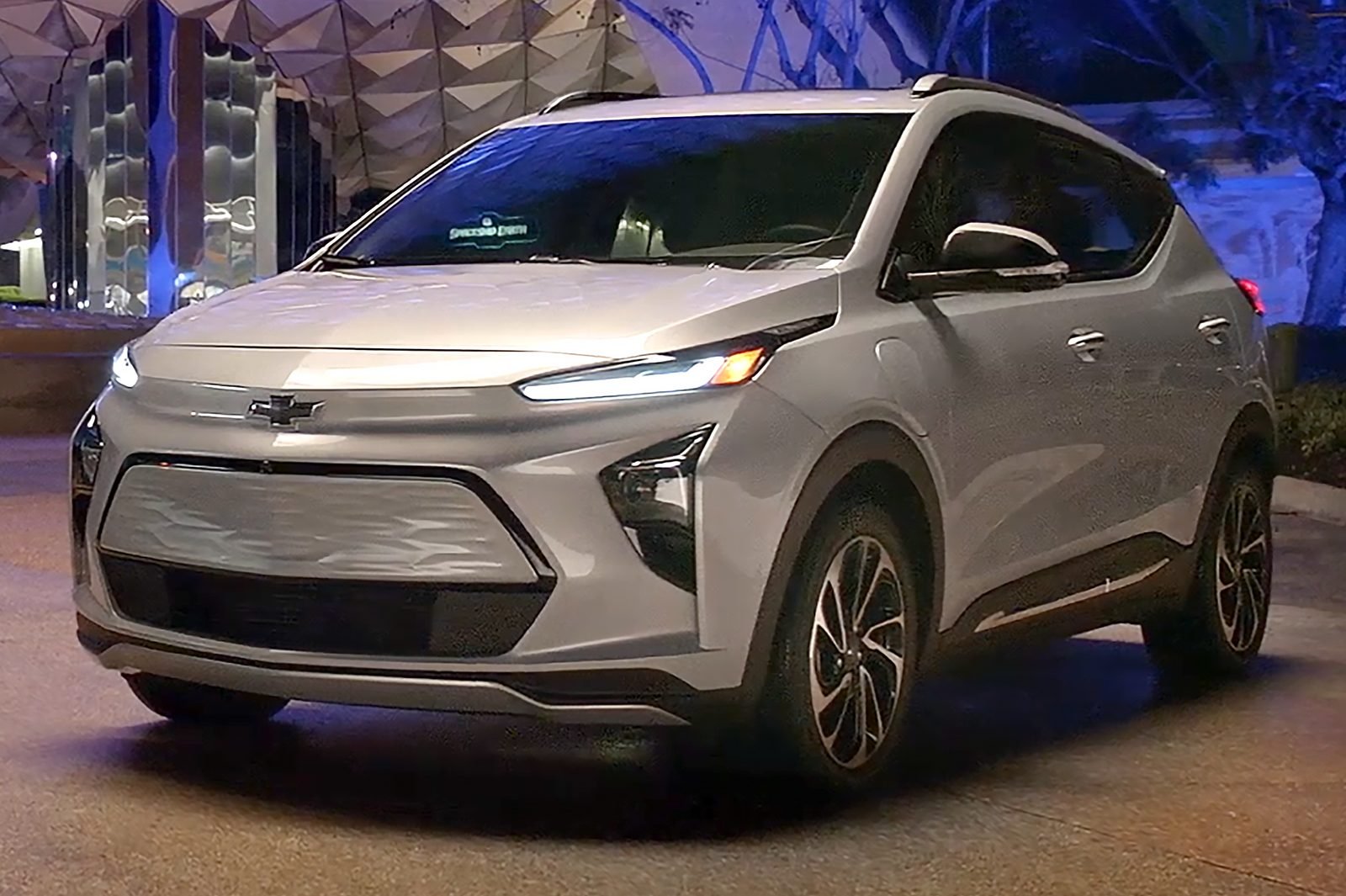
General Motors is cutting planned production of the electric Chevrolet Bolt, an example of how quickly electric vehicle manufacturing plans change when incentives and demand shift.
Reuters reported that the company is now expected to build about 35,000 units of the latest Bolt, against earlier projections of around 150,000.
The cut follows the end of the $7,500 US federal tax credit in 2025, which weakened demand for some electric models. Reuters said only 4,224 Bolts were sold through August 2026.
The challenge has become a question of timing, cost and product mix more than a simple choice between electricity and petrol.
Production at the Kansas City-area plant is expected to end during the first quarter of 2027. GM has described the current Bolt as a limited-production model.
The story matters beyond the United States, because global carmakers are trying to size the production capacity they allocate to electric cars amid uneven growth between markets.
GM has already recorded billions of dollars of charges tied to changes in its electric strategy, and is adapting some facilities to support combustion vehicles again.
At the same time the company has not abandoned electrification. The challenge has become a question of timing, cost and product mix more than a simple choice between electricity and petrol.
For Gulf markets, the Bolt itself is not the central issue. The more relevant lesson is how manufacturers may adjust their coming electric launches and prices if demand develops more slowly than expected in major markets.
Volume matters because lower production volumes raise unit costs, affect supplier economics, and change how aggressively a manufacturer expands internationally.
The industry is entering a more pragmatic phase, in which flexible plants and multiple drivetrains may prove more valuable than commitment to a single technology.