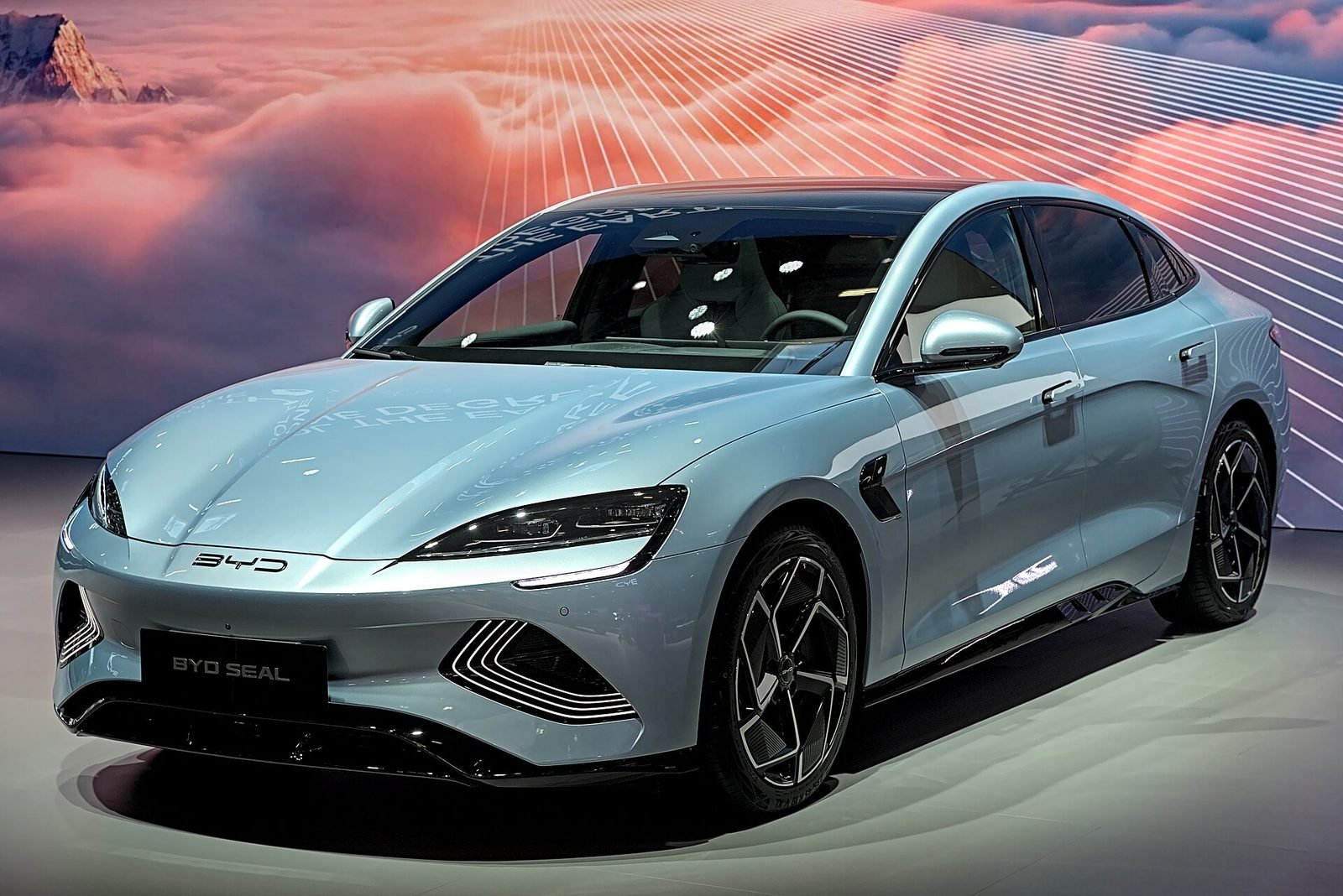
BYD continued its global expansion in September, posting a 17% year-on-year rise in vehicle sales after overseas demand offset a quieter domestic market in China.
The company sold 463,561 vehicles during the month, according to disclosures reported by Reuters. What matters more for Gulf markets is the pace of its international growth: overseas shipments of passenger cars and pickups rose 153.9% year on year to 179,877 units.
That export momentum matters because BYD increasingly competes outside its home market. The company has widened its distribution networks, local partnerships and model availability across several regions, the Middle East among them, where Chinese marques are gaining ground in both the budget and premium tiers.
Overseas shipments of passenger cars and pickups rose 153.9% year on year to 179,877 units.
For the Gulf buyer, the direct effect is more choice. Chinese manufacturers have moved quickly into electric cars, plug-in hybrids and technology-laden SUVs — categories drawing growing interest in the UAE and Saudi Arabia. BYD’s scale also gives it room to compete hard on equipment and price.
September’s figures show that exporting is no longer a secondary activity in BYD’s business. With domestic demand in China under pressure, international sales now play a larger part in sustaining growth.
The competitive effect is likely to reach beyond electric cars. Established Japanese, European and American firms face Chinese rivals able to bring new cars to market quickly, with long equipment lists and competitive prices.
Gulf Auto will track how export growth translates into regional launches, dealer expansion and pricing policy. The decisive question for buyers in the Gulf states is whether this rapid international growth will be matched by comparable support in aftersales, parts availability and resale values across a longer ownership cycle.