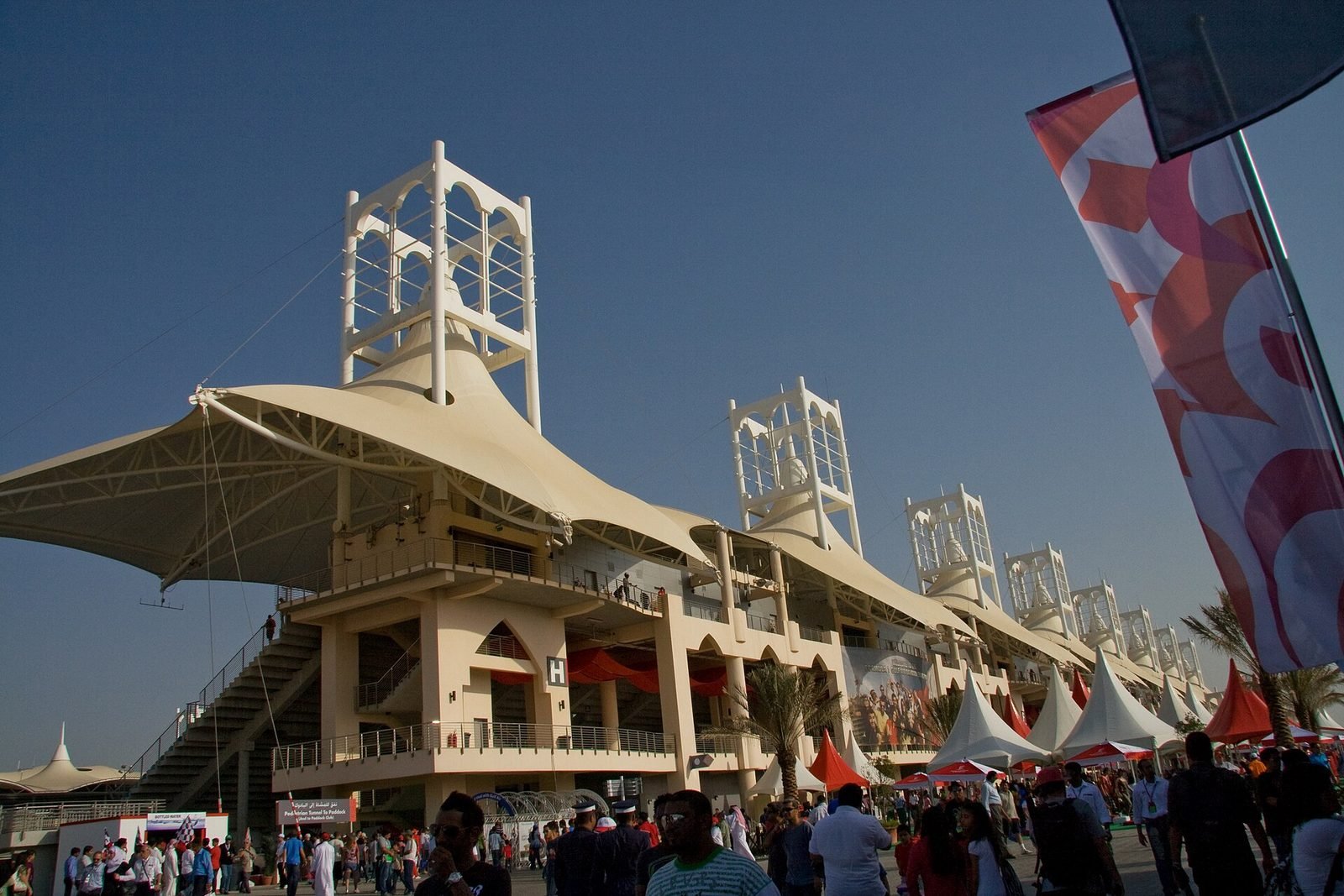
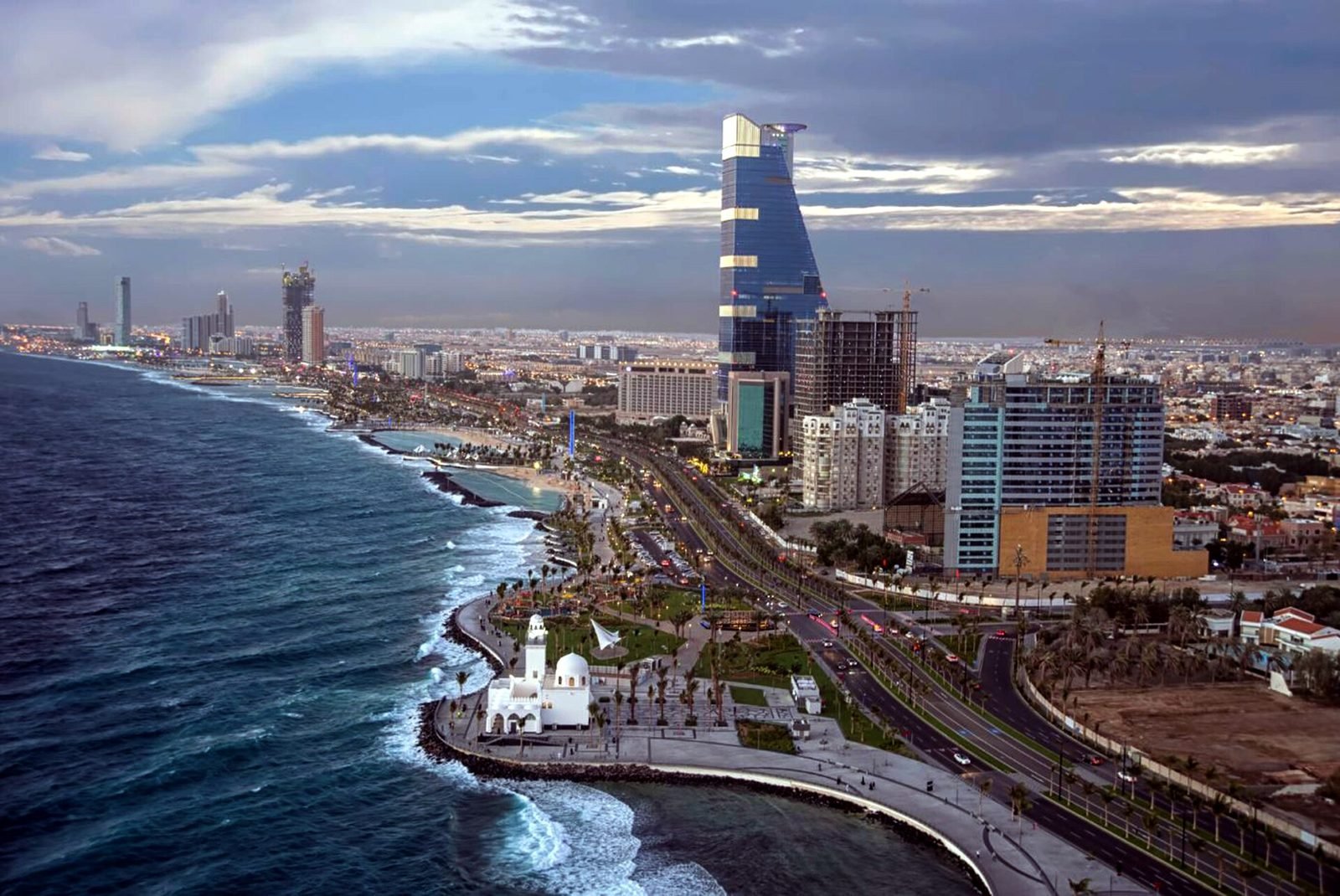
Of the four Gulf circuits that have hosted Formula 1, Jeddah Corniche remains the most extreme in its numbers. It is the longest in the region at 6.174km, the one with the most corners at twenty-seven, and the holder of the highest average speed of any street circuit on the calendar.
It is the combination of those three figures that makes the circuit exceptional. A high corner count would normally slow a track down, but most of these corners are fast and open rather than right angles, so the car passes between them with little braking. The result is a street circuit running at an average speed close to that of fast permanent tracks.
Formula 1 circuits in the Gulf — technical comparison
| # | Circuit | Length | Corners | First race |
|---|---|---|---|---|
| 1 | Jeddah Corniche — Saudi Arabia | 6.174 km | 27 | 2021 |
| 2 | Lusail — Qatar | 5.419 km | 16 | 2021 |
| 3 | Bahrain International — Sakhir | 5.412 km | 15 | 2004 |
| 4 | Yas Marina — Abu Dhabi | 5.281 km | 16 | 2009 |
Jeddah is the longest, has the most corners and is the fastest on the whole calendar; Bahrain is the oldest and the first circuit to host Formula 1 in the Middle East. Yas Marina is the shortest after the 2021 redesign cut its length from 5.554 km and its corners from 21 to 16. — Source ↗
That is also precisely what makes Jeddah the most demanding circuit of the season on the driver. The concrete walls are close along the whole lap, the fast corners mean the margin for error is short in time, and several sectors are taken without full sight of what lies beyond the corner. No other street circuit combines those three to the same degree.
A high corner count would normally slow a track down, but most of these are fast and open rather than right angles — so the car passes with little braking.
The circuit entered the Formula 1 calendar for the first time in December 2021, built on the Jeddah waterfront in record time. It ran for consecutive seasons before the 2026 round, scheduled for 19 April, was cancelled with no replacement added.
The effect goes beyond sport. Race week in Jeddah was a commercial window used by distributors and marques to launch models and run customer events in the Saudi market, the largest car market in the Gulf. Losing the week means losing the window, not merely losing a race.
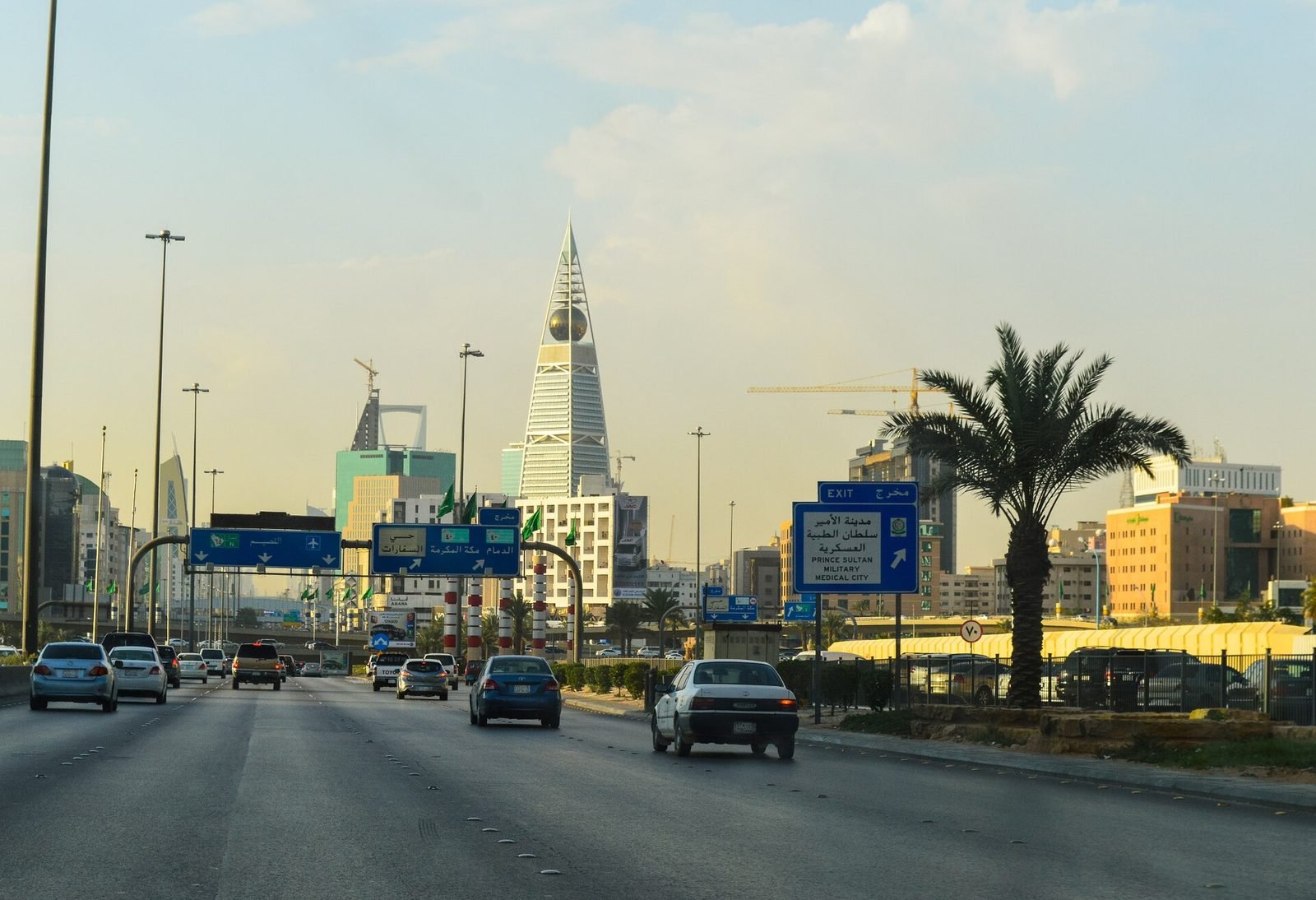
Jeddah’s position differs from Bahrain’s. The Bahrain round was moved to Sepang International Circuit in Malaysia — the race found another home. The Saudi round was cancelled with no replacement on the calendar, and that is a difference in meaning rather than in outcome.
The open question concerns the 2027 calendar: do the two rounds return to their places, or does the geographic redistribution of the season become permanent? For a region that spent twenty years building a crowded winter motorsport calendar, the answer concerns more than one circuit.