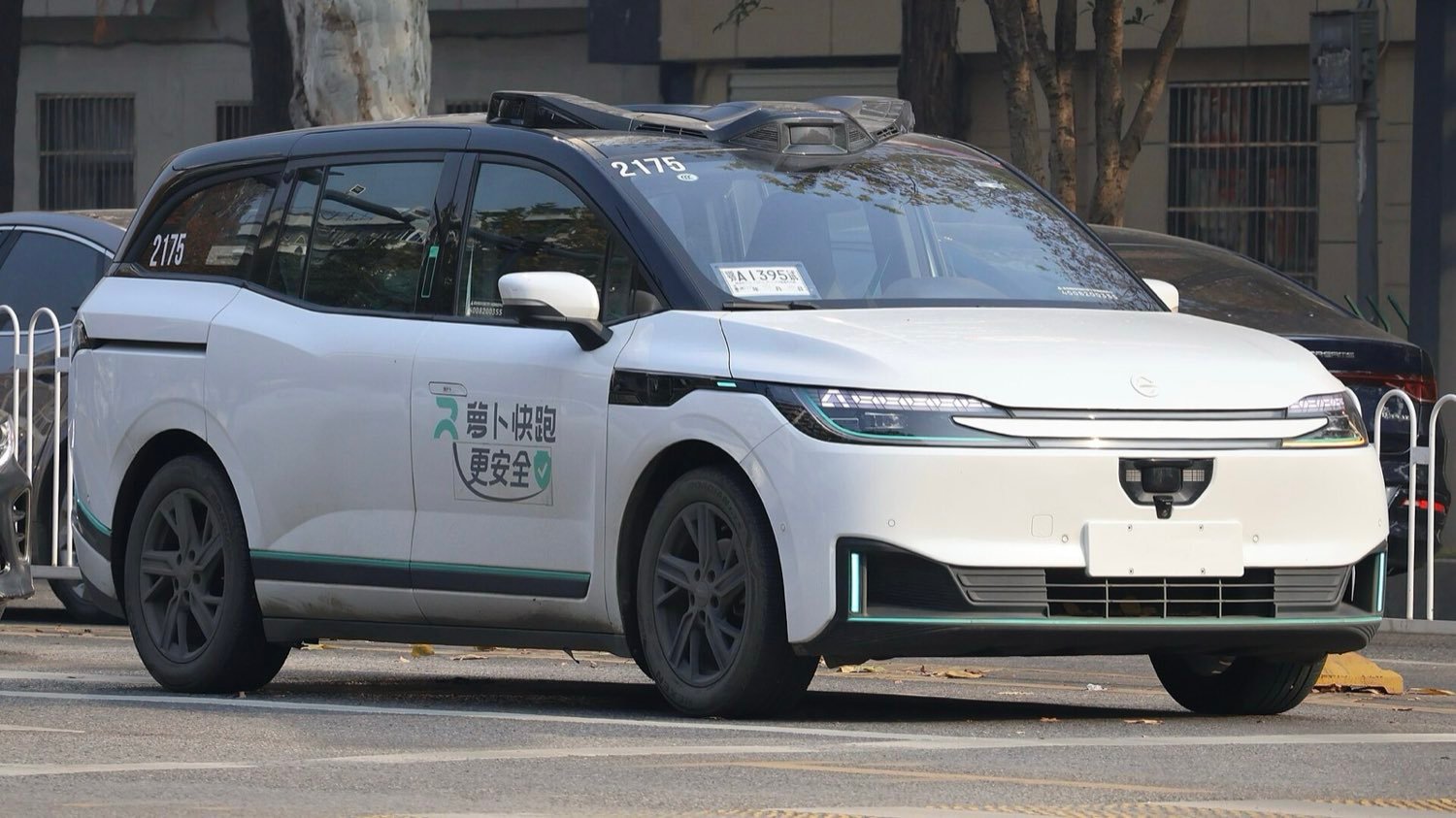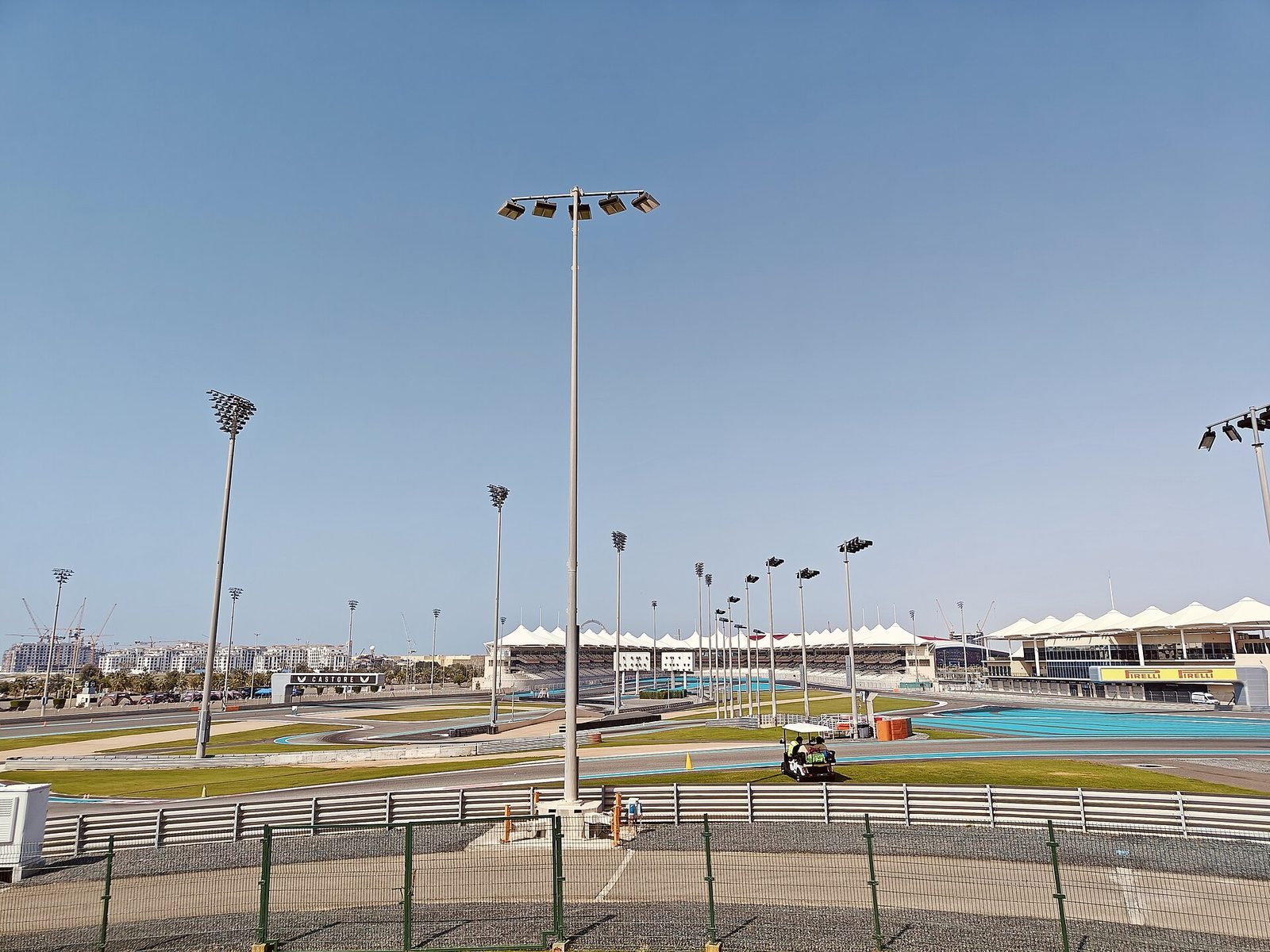
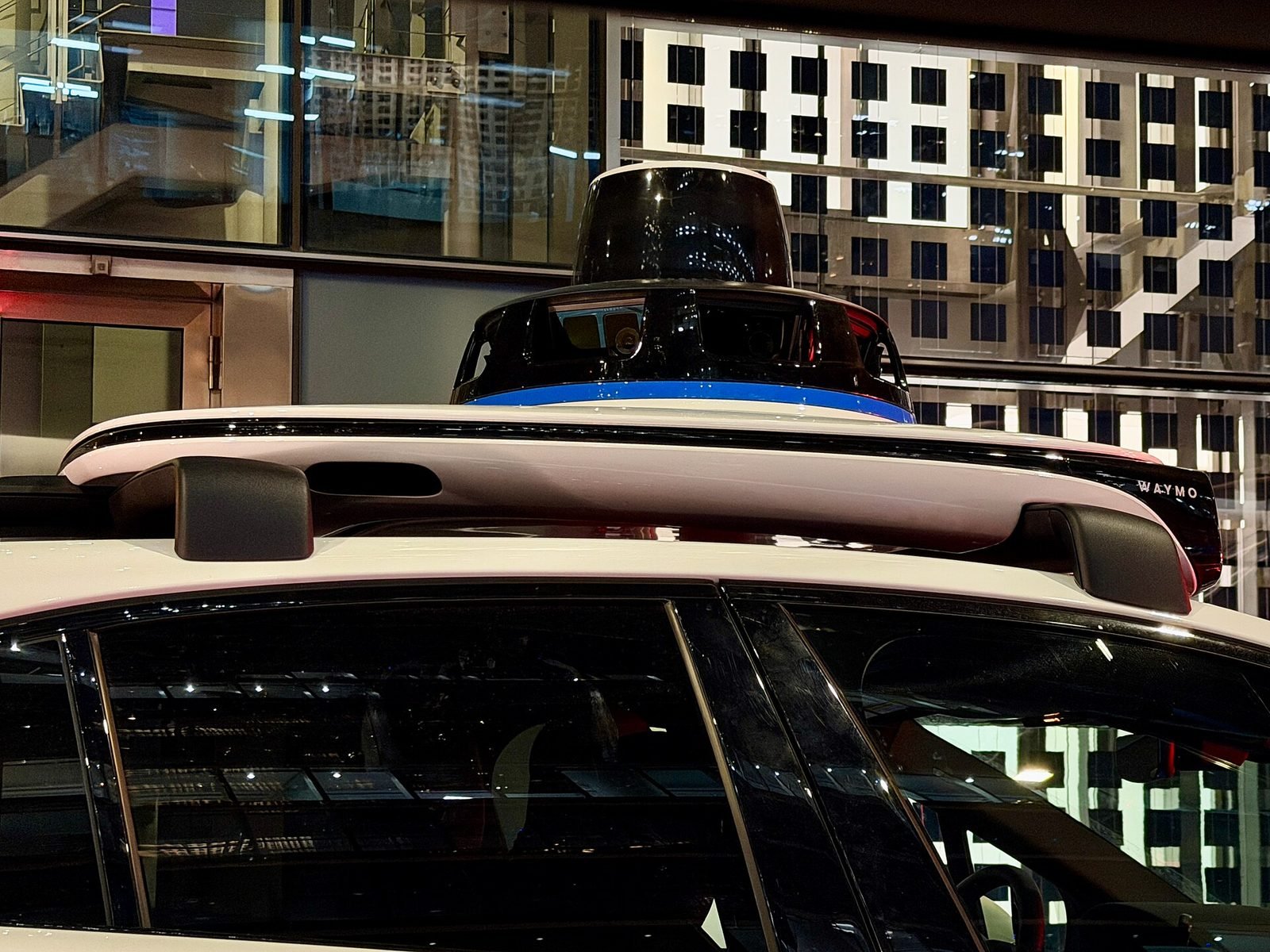
The Gulf robotaxi map today holds three operators across two cities, and all of them are Chinese.
In Abu Dhabi, WeRide runs its TXAI service on Yas Island as a commercial driverless operation, the first Level 4 service made available on the Uber platform outside the United States.
Robotaxis in the Gulf — operators and status
| # | Company | City | Status |
|---|---|---|---|
| 1 | WeRide — via TXAI | Abu Dhabi — Yas Island | Commercial driverless operation |
| 2 | Baidu Apollo Go — via Uber | Dubai — Jumeirah and Umm Suqeim | Driverless service available to riders |
| 3 | Pony.ai | Dubai | Testing permit — commercial operation planned |
Abu Dhabi was the first city in the Middle East to run a commercial driverless robotaxi service, and the first level-four service available on the Uber platform outside the United States. The Dubai fleet operator is New Horizon Luxury Transport. — Source ↗
In Dubai, Baidu’s Apollo Go cars are available driverless to Uber passengers in Jumeirah and Umm Suqeim, with fleet operations run by a local company, while Pony.ai has obtained a testing permit and is targeting commercial operation.
Moving from defined districts to whole-city coverage is the real test, of the technology and its regulatory framework alike.
The global comparison puts these figures in context: the number of cities running commercial driverless robotaxi services outside China and North America can be counted on one hand, and the UAE holds two of them.
What deserves watching in 2027 is not the number of operators but the breadth of operation: moving from defined districts to whole-city coverage is the real test, of the technology and its regulatory framework alike.