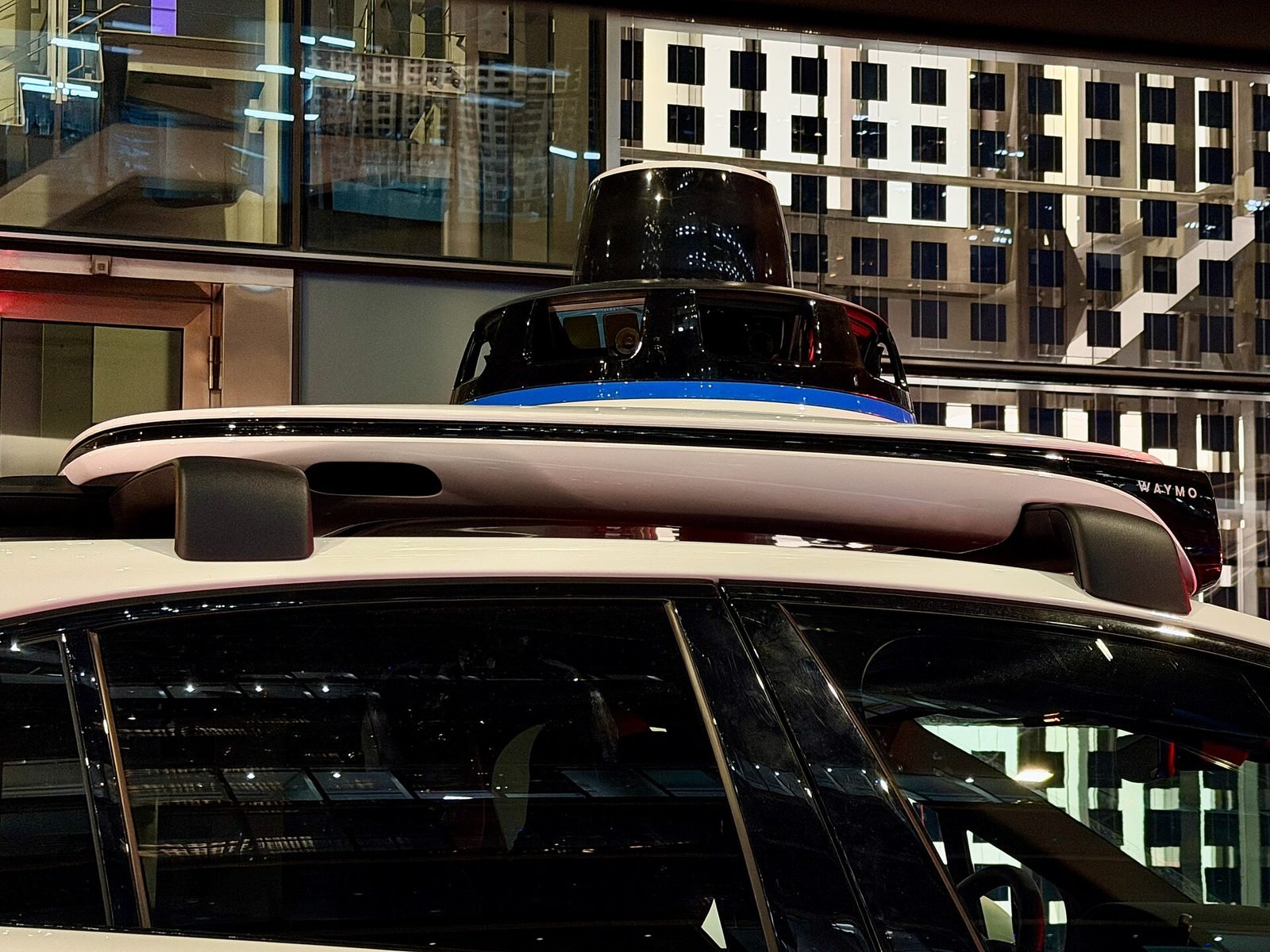
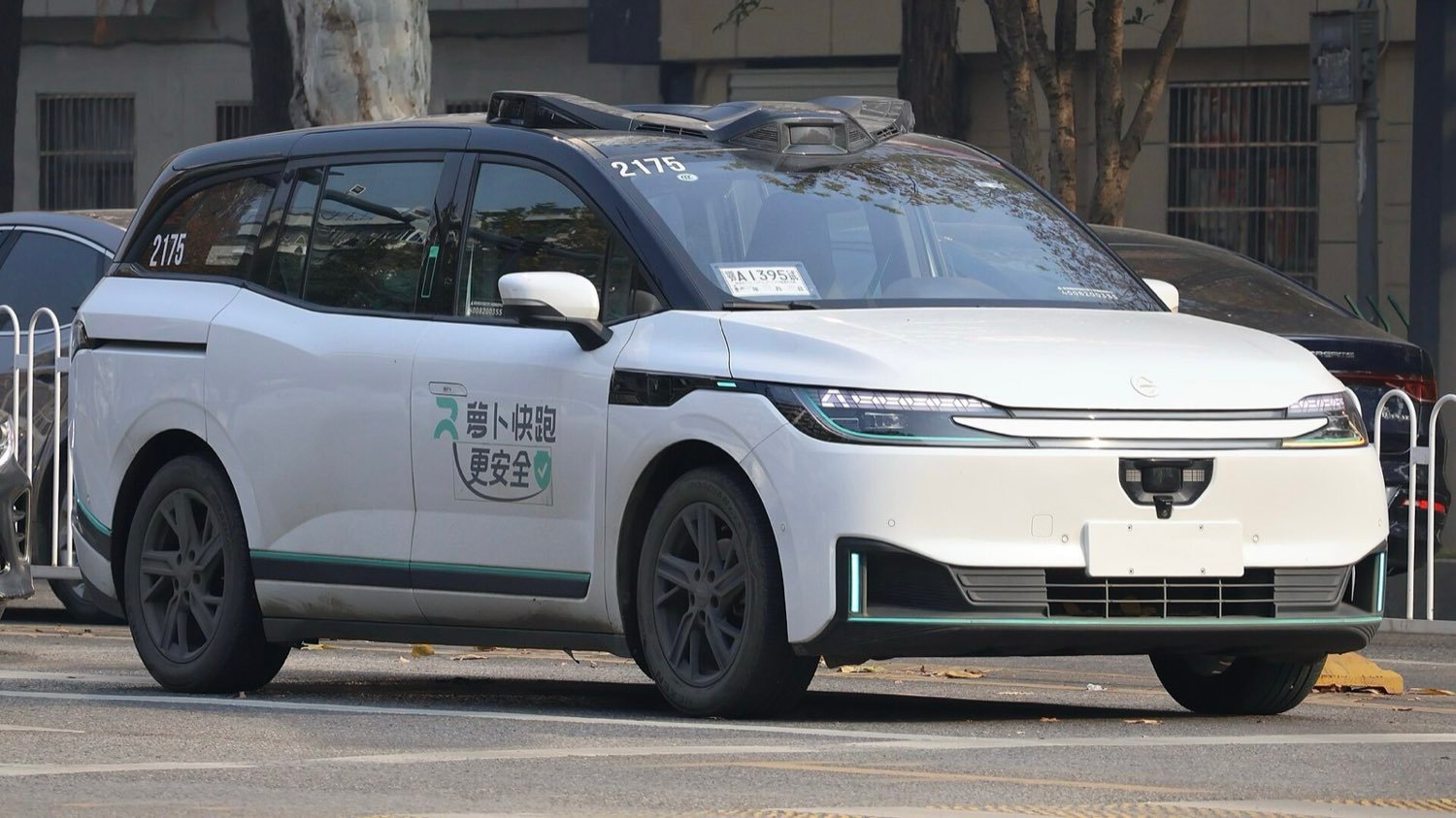
The picture in the UAE today is striking: Baidu, WeRide and Pony.ai — three Chinese companies — operate or test autonomous driving services, while their major American rivals stay focused on their home markets.
The first reason is regulatory. The UAE set clear licensing frameworks for autonomous vehicles early, saving a company years of negotiation with multiple authorities.
Robotaxis in the Gulf — operators and status
| # | Company | City | Status |
|---|---|---|---|
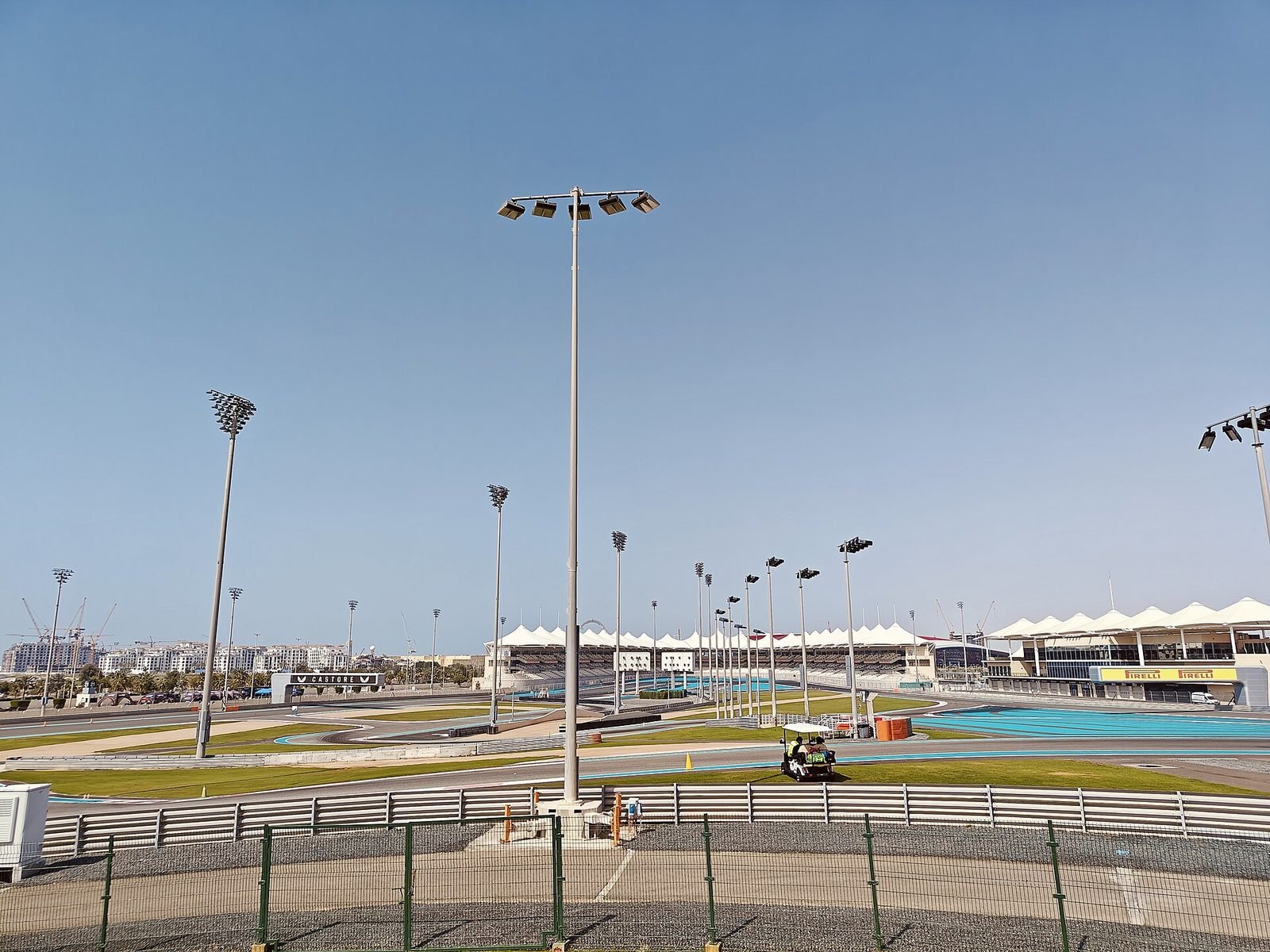
| 1 | WeRide — via TXAI | Abu Dhabi — Yas Island | Commercial driverless operation |
| 2 | Baidu Apollo Go — via Uber | Dubai — Jumeirah and Umm Suqeim | Driverless service available to riders |
| 3 | Pony.ai | Dubai | Testing permit — commercial operation planned |
Abu Dhabi was the first city in the Middle East to run a commercial driverless robotaxi service, and the first level-four service available on the Uber platform outside the United States. The Dubai fleet operator is New Horizon Luxury Transport. — Source ↗
The second is commercial: Chinese companies face mounting restrictions on expansion into North America, making open markets — the Gulf foremost among them — a natural destination for their technology.
The Gulf has become a genuine proving ground for this technology rather than a late export market — a shift from consumer to early tester.
The third is structural: Gulf cities are relatively recently planned, with wide streets, orderly signals and available traffic data — far easier operating conditions than old European cities with narrow streets.
The result is that the Gulf has become a genuine proving ground for this technology rather than a late export market. That is a shift in the region’s position within the technology value chain, from consumer to early tester.