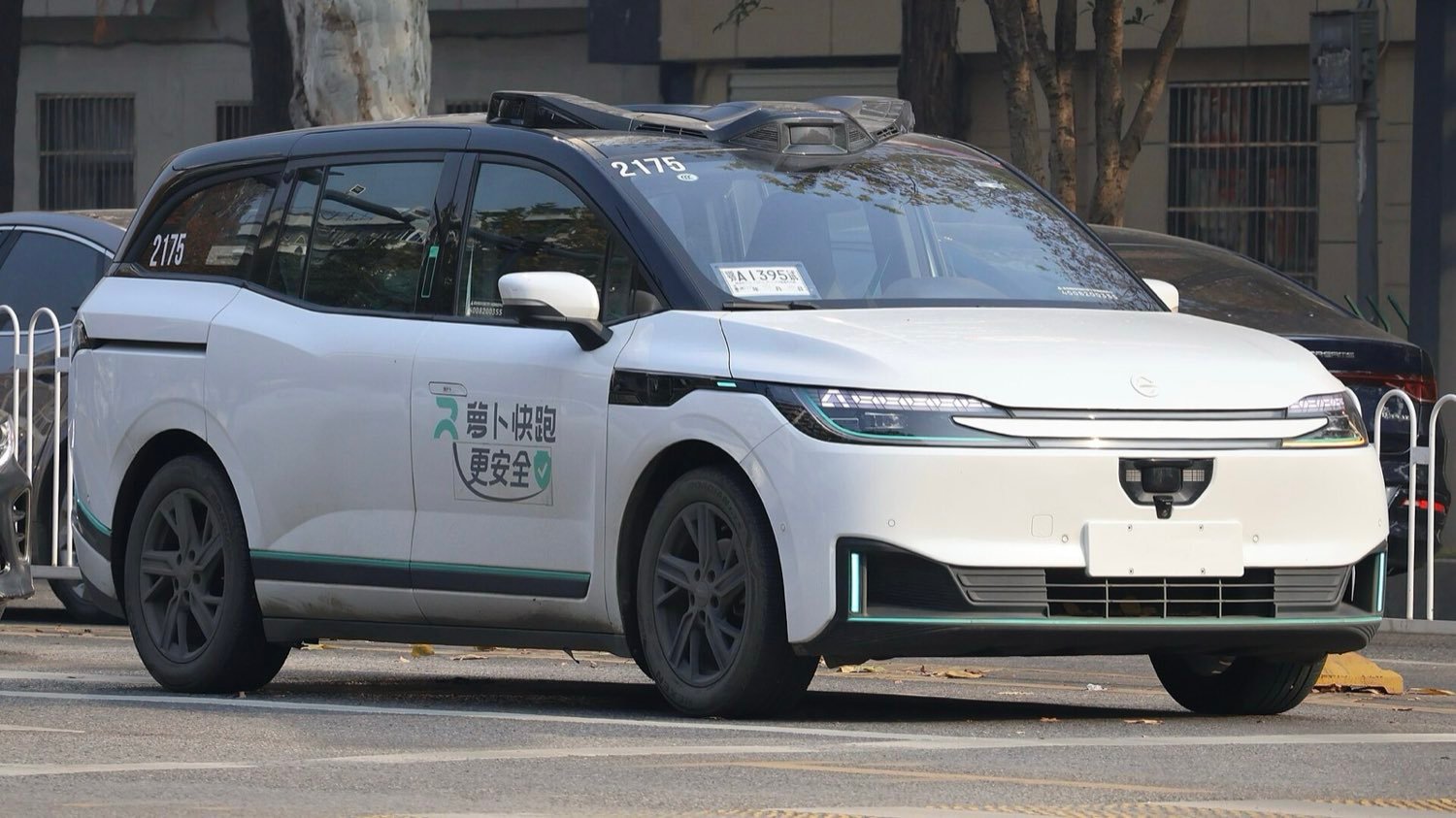
Baidu’s Apollo Go vehicles, fully driverless, are now available to riders through the Uber platform in Dubai, in a step Uber described as the world’s first multi-partner autonomous network.
The service is initially available at selected locations in the Umm Suqeim and Jumeirah districts, with plans to widen the operating area later. Fleet operations are handled by a local partner, New Horizon Luxury Transport.
Robotaxis in the Gulf — operators and status
| # | Company | City | Status |
|---|---|---|---|
| 1 | WeRide — via TXAI | Abu Dhabi — Yas Island | Commercial driverless operation |
| 2 | Baidu Apollo Go — via Uber | Dubai — Jumeirah and Umm Suqeim | Driverless service available to riders |
| 3 | Pony.ai | Dubai | Testing permit — commercial operation planned |
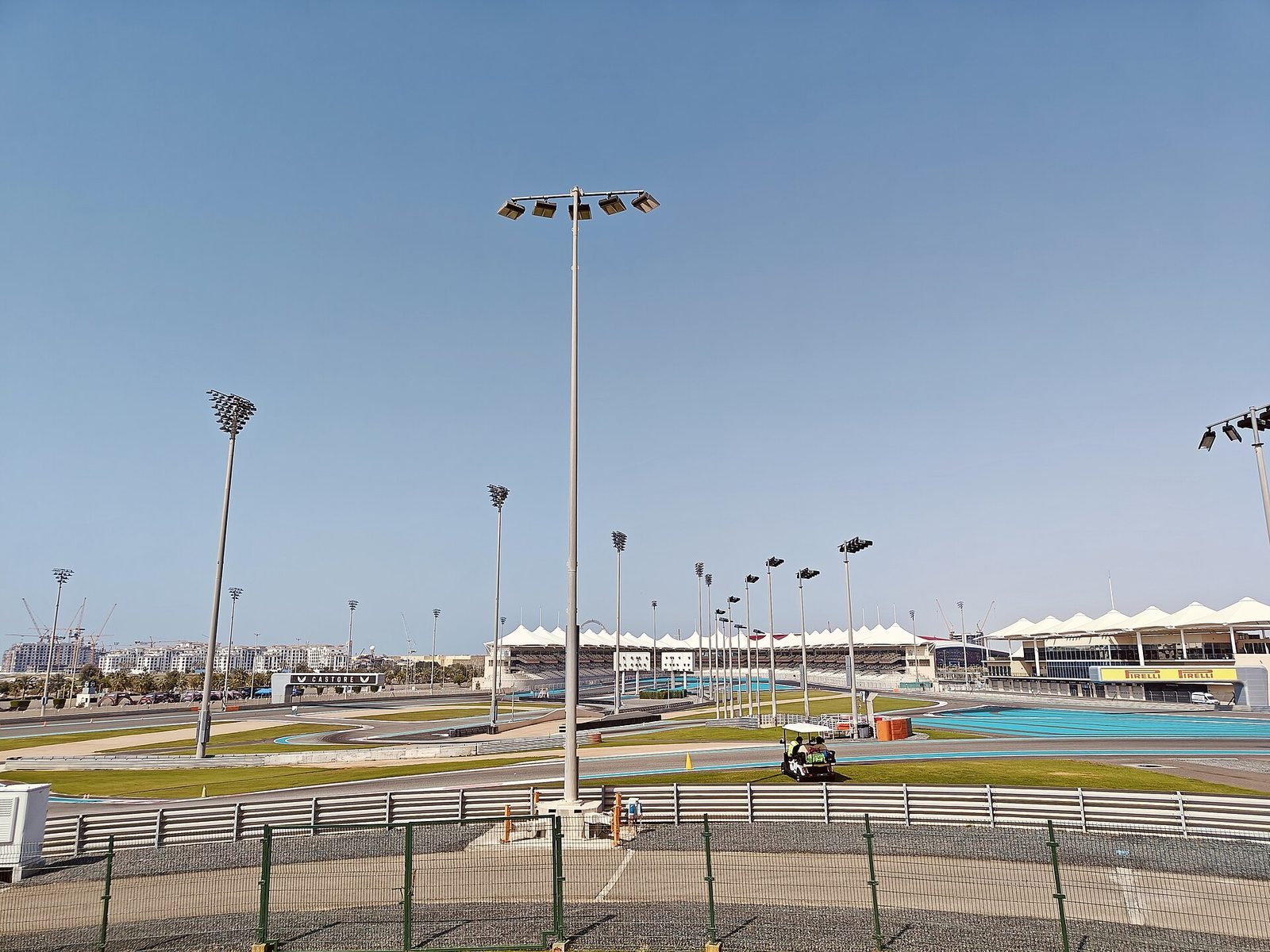
Abu Dhabi was the first city in the Middle East to run a commercial driverless robotaxi service, and the first level-four service available on the Uber platform outside the United States. The Dubai fleet operator is New Horizon Luxury Transport. — Source ↗
The structure of this partnership deserves attention: Baidu provides the autonomous driving technology, Uber provides the demand and the interface, and a local company operates and maintains the fleet. Which means none of them owns the whole service.
Baidu provides the technology, Uber the demand, a local company the fleet — and none of them owns the whole service.
That three-party model is what makes expansion relatively fast: the technology company needs neither to build a fleet nor to acquire riders, only a licence and an operating partner.
For a car owner in Dubai the effect is indirect but real: every successful autonomous transport service reduces the need for a second car in the household, and that shows up in the car market over years rather than months.