The Wuling Hongguang Mini EV — a small, low-priced electric car — leads China’s best-seller list for 2025, up 61.1%.
That is the first signal any researcher should pick up: the Chinese market is not the premium electric market it is sometimes portrayed as, but one led by volume at the lower price tiers.
China’s best-selling models — 2025
| # | Model | Note |
|---|---|---|
| 1 | Wuling Hongguang Mini EV | +61.1% |
| 2 | Geely Xingyuan | about 435,000 — up 772.6% |
| 3 | BYD Qin Plus | −18% |
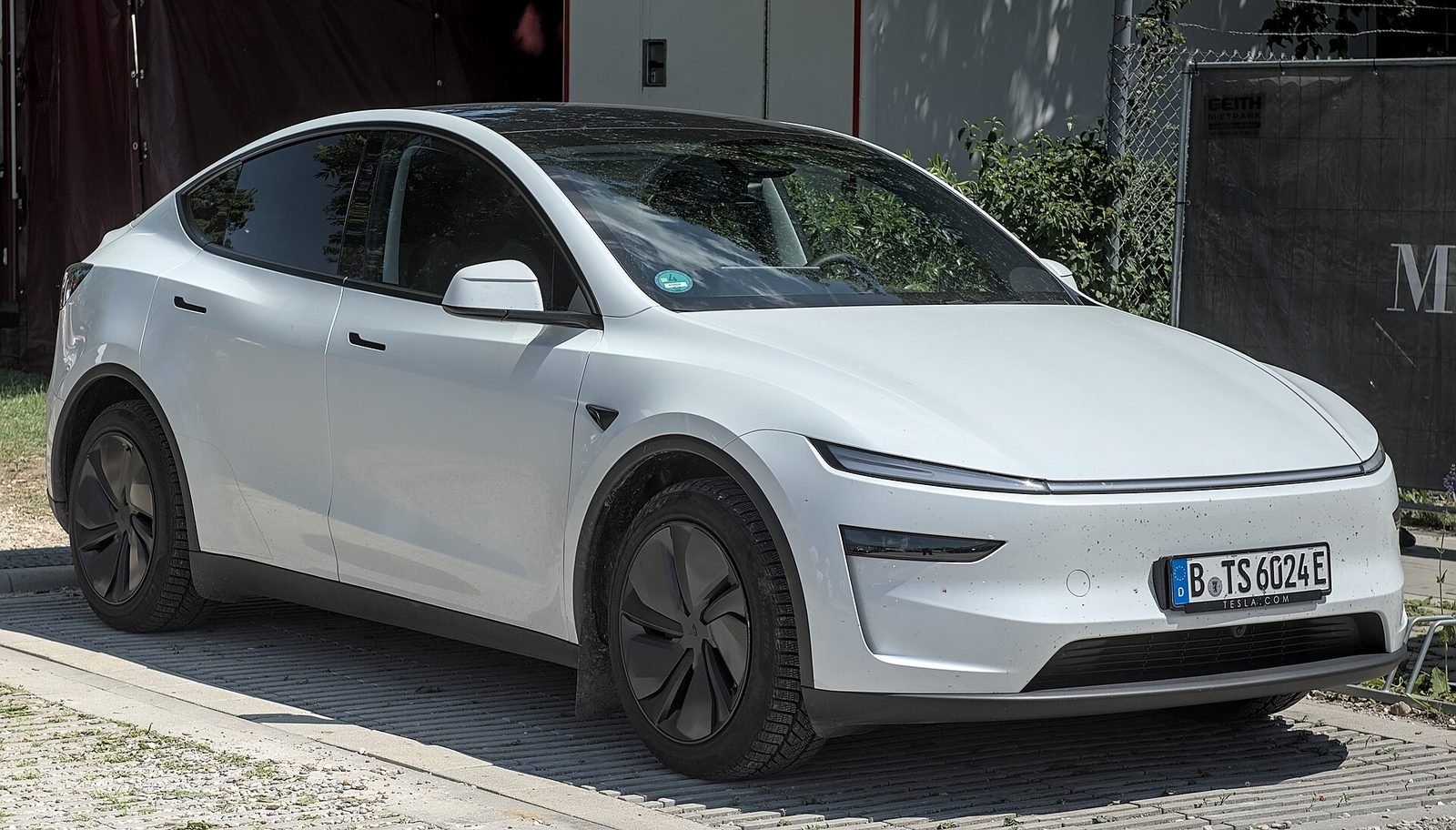
| 4 | Tesla Model Y | −20.5% |
| 5 | BYD Seagull | −30.8% |
| — | BYD Seal 06 | +30.4% |
| — | BYD Qin L | +14.8% |
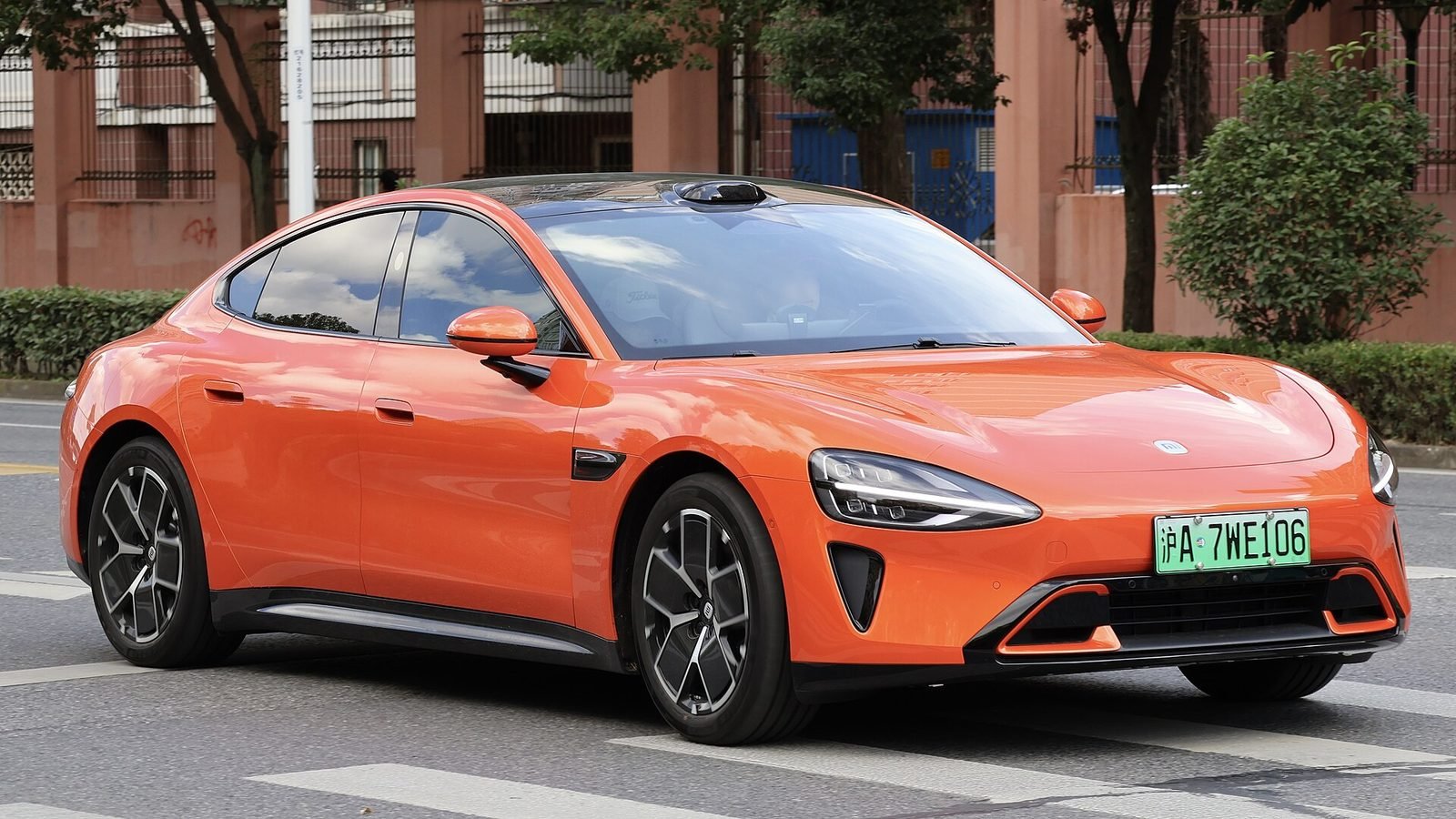
| — | Xiaomi SU7 | +77% |
| — | Xiaomi YU7 | more than 152,000 since mid-year |
| — | Fangchengbao Tai 7 | about 86,000 in four months |
Rows without a numeric rank appeared within the top ten without a stated position in the source. BYD alone places four models on the list. — Source ↗
The largest rise comes from the Geely Xingyuan in second with about 435,000 cars and an exceptional 772.6% increase — the kind of growth that happens only when a new model enters a crowded price band with above-average equipment.
China’s best sellers are not necessarily its export candidates — what ships to the Gulf is the mid-size and the large, not the cheap and small.
BYD alone places four models on the list: the Qin Plus third, the Seagull fifth, plus the Seal 06 and the Qin L — which explains how it reaches a 27.2% share of the electric market.
Xiaomi places two: the SU7, up 77%, and the YU7, which passed 152,000 cars since its mid-year launch — an electronics company achieving in its second year what traditional marques need years to reach.
Against that, the Tesla Model Y falls 20.5% in the very market it led a few years ago.
The conclusion that matters for anyone analysing how these models transfer to the Gulf: China’s best sellers are not necessarily its export candidates. Small, low-priced cars do not suit Gulf usage patterns, while it is the mid-size and large SUV models that actually ship to the region.