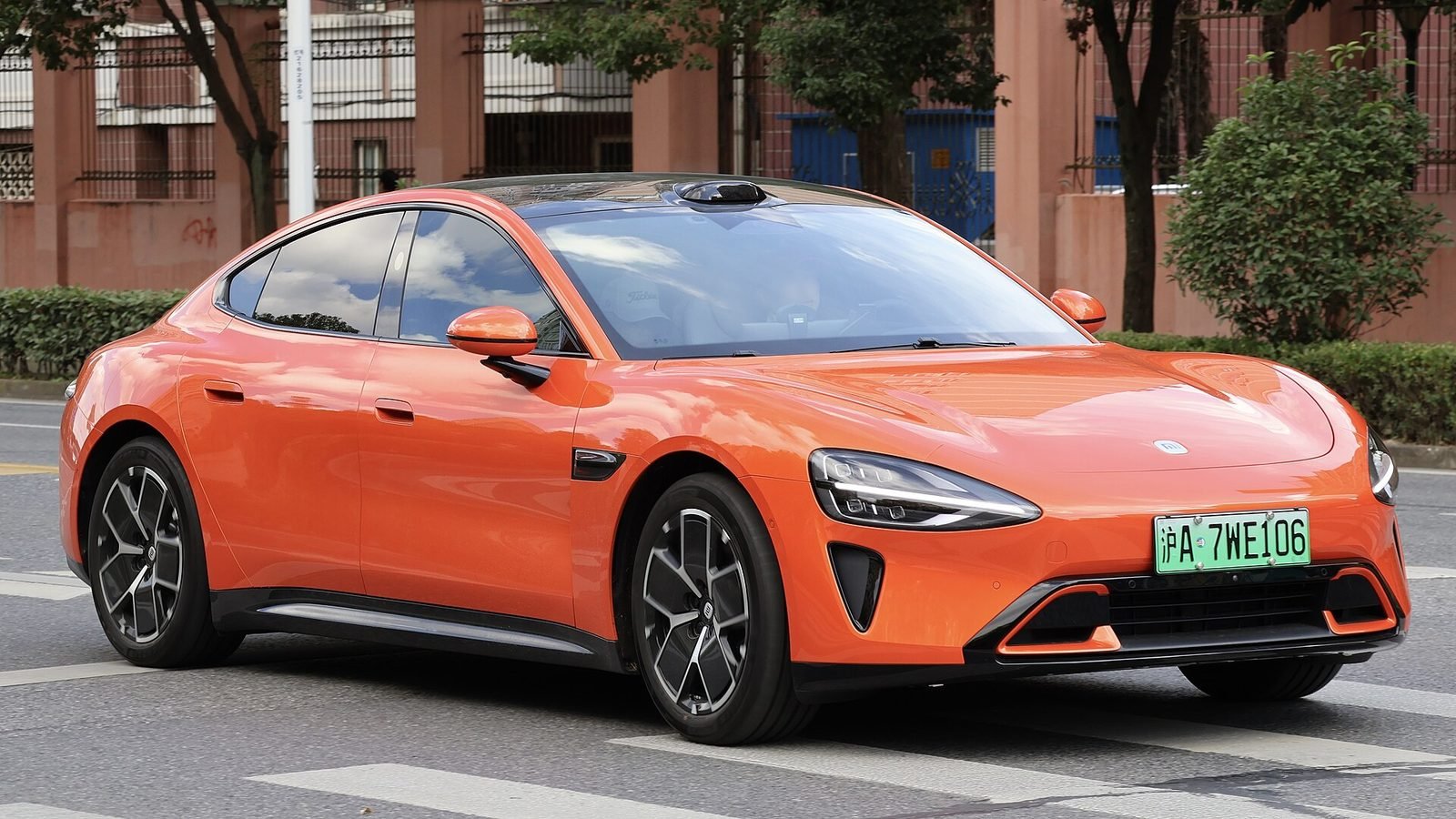
Xiaomi announced deliveries of more than forty thousand cars in September 2026, its strongest month of the year, without disclosing an exact figure or a breakdown by model in its announcement on Weibo.
That brings the first nine months to at least 286,475 cars, equivalent to about 52.1% of its annual target of 550,000. Which means the company must deliver roughly 263,525 cars in the final quarter alone to reach it.
September’s increase came mainly from the Sky Nomad family, which was the principal source of the additional volume during the month.
The company must deliver roughly 263,525 cars in the final quarter alone to reach its annual target of 550,000.
The second and strategically more important development is that Xiaomi has signed memoranda of understanding with an initial group of eight German distribution groups, preparing to enter the European market in 2027.
The timing is striking: a company that only began selling cars about two years ago is moving into the world’s most competitive market with a conventional distribution network rather than a direct-sales model.
For the Gulf, Xiaomi is not yet officially present in the region’s markets with an announced dealer network, but the company’s trajectory is worth following for two reasons: production volumes now approaching those of established marques, and the close tie between its cars and its consumer-device ecosystem.
The European experience will be an early indicator: if Xiaomi succeeds in building aftersales service outside China, moving into Gulf markets becomes a question of timing and distribution rather than industrial capability.
Until then, the monthly figures remain the best available measure: they show whether growth is driven by new models or by price cuts, a fundamental distinction in judging a marque’s long-term durability.