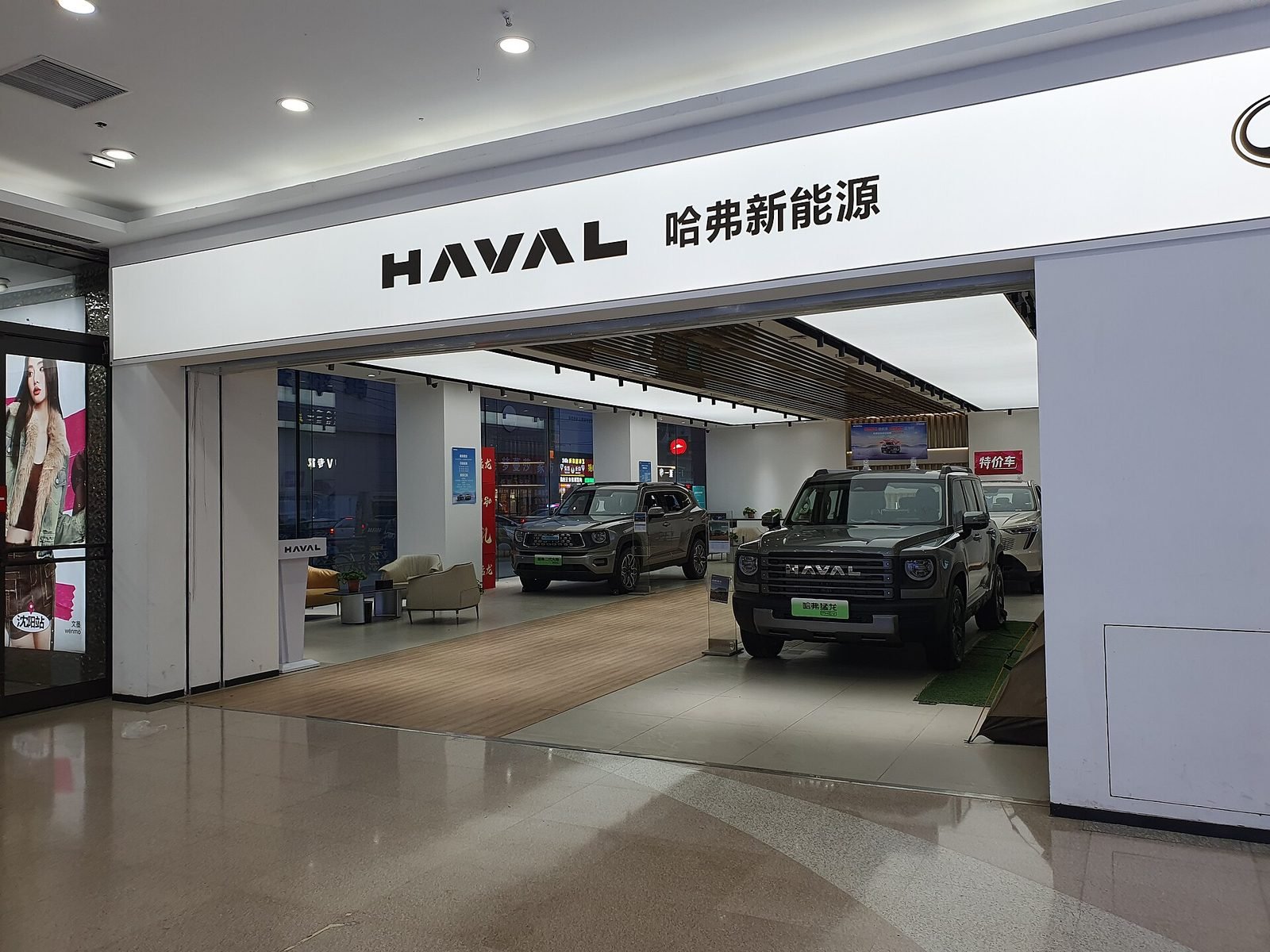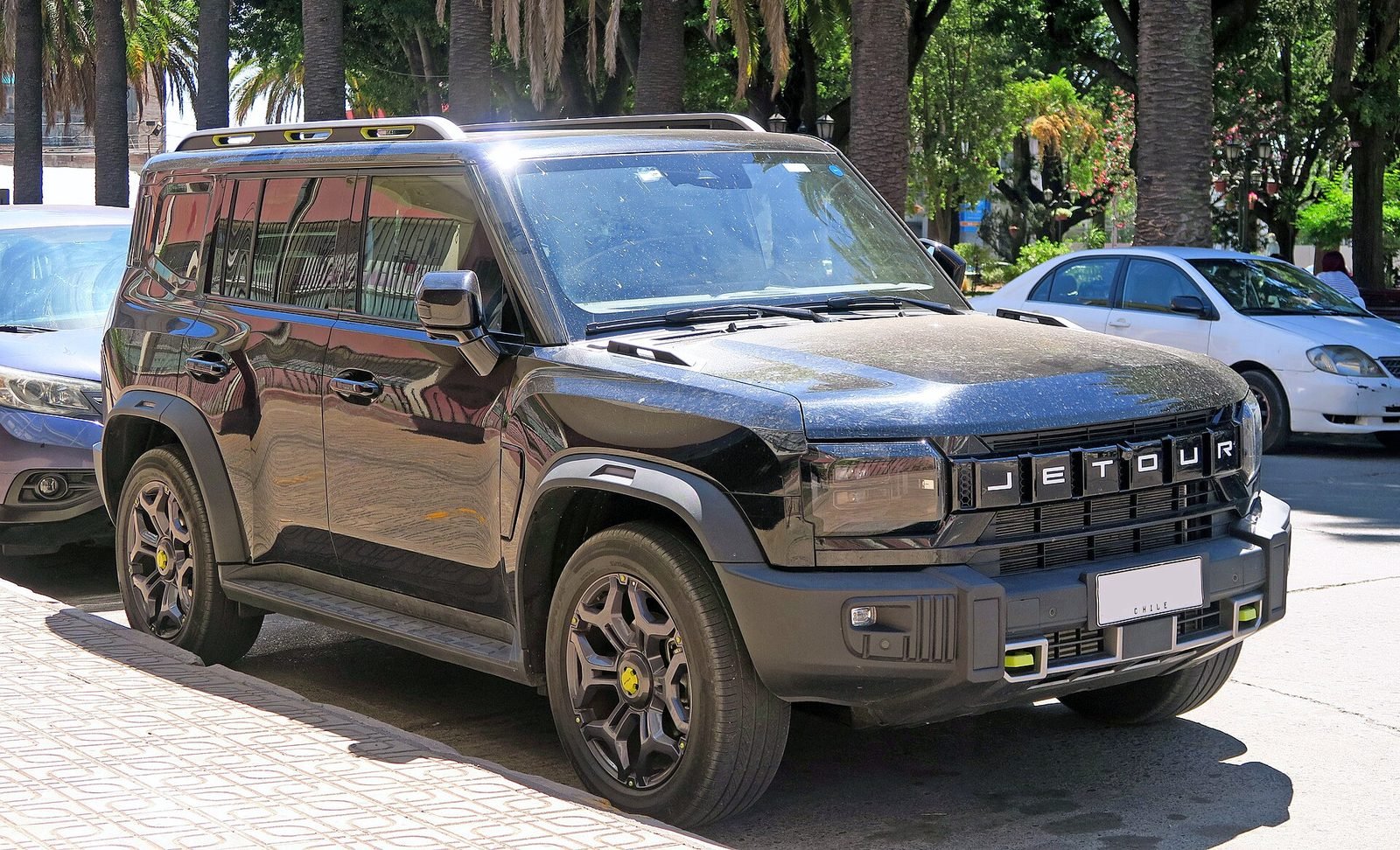
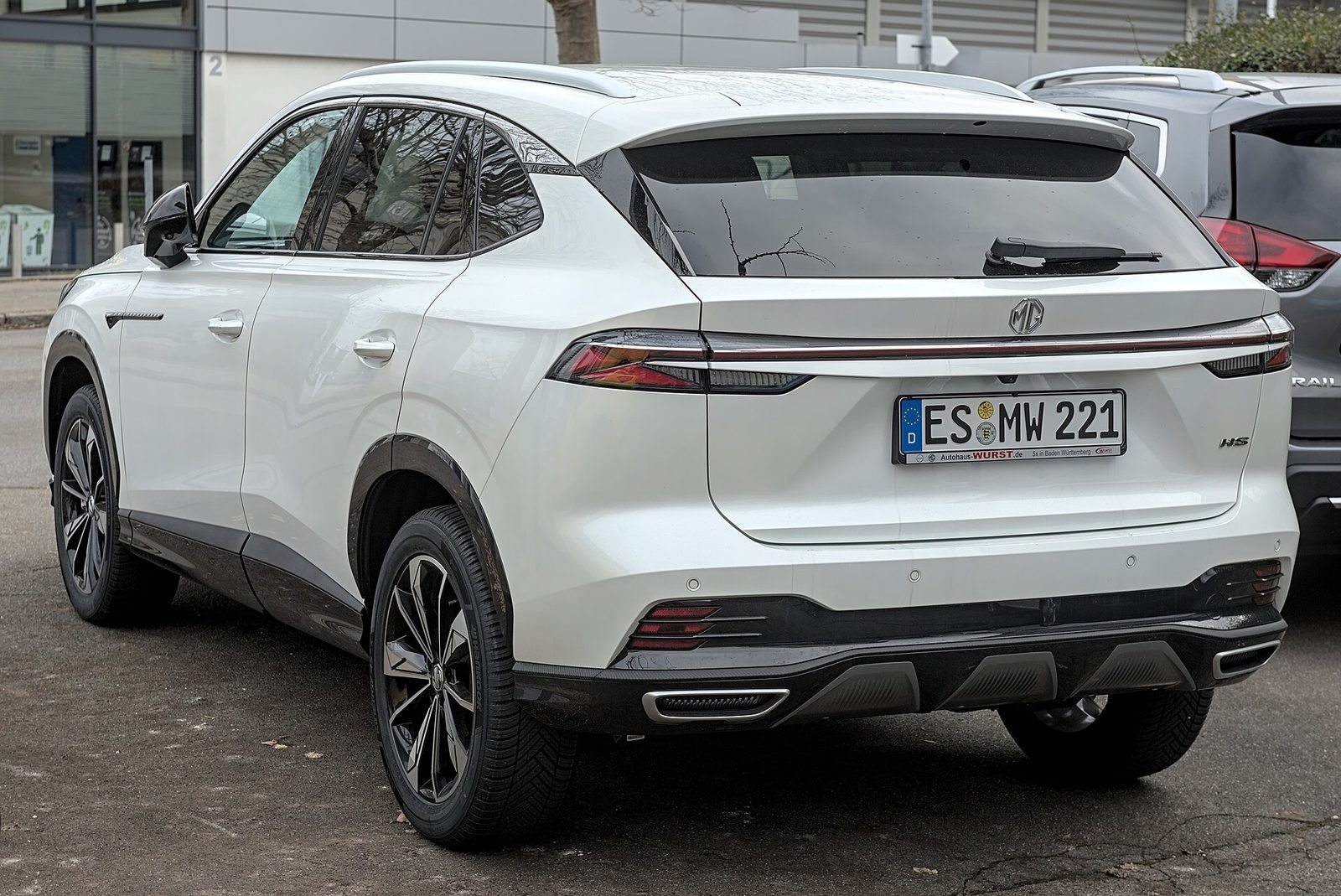
Four Chinese marques entered the top ten in the Saudi market during the first half of 2026, with a combined market share of 13.4%.
MG came sixth with 17,600 cars, Haval eighth with 14,800, Jetour ninth with 11,500 and Changan tenth with 11,100.
More important than the ranking is the direction: in a market that contracted 23.5% overall in the first half, Haval and Jetour were the only two marques in the top ten that grew, up 48% and 22.6% respectively.
Chinese marques are not growing because the market is growing; they are taking share from direct rivals — which is harder for those rivals to ignore.
April data confirms the same trend: MG rose 41.5% to climb to fifth with a 4.4% share after ranking eleventh on 2.7%; Haval rose 30.7%, Jetour 29.7% and Changan 22.4%, while the market fell 21.9% in the same month.
Which means Chinese marques are not growing because the market is growing; they are taking share from direct rivals — an entirely different kind of growth, and harder for traditional competitors to ignore.
The explanatory factors are well known: higher equipment at the same price, shorter development cycles putting newer models in showrooms at a faster rate, and pricing that benefits from Chinese production scale.
But what should remain in a buyer’s calculation is the side the sales tables do not show: resale values. Market share is built in a year, while residual value is built over three to five years of documented service history.
Which is what makes following the monthly figures useful but insufficient. The more important indicator through 2027 will not be the number of cars sold, but the price of those same cars in the used market.