Renault Group plans to invest €600 million in its Spanish manufacturing operations by 2030, adding new vehicle programmes and battery assembly as it reshapes its production base.
The investment will support the Valladolid and Palencia facilities, according to Reuters.
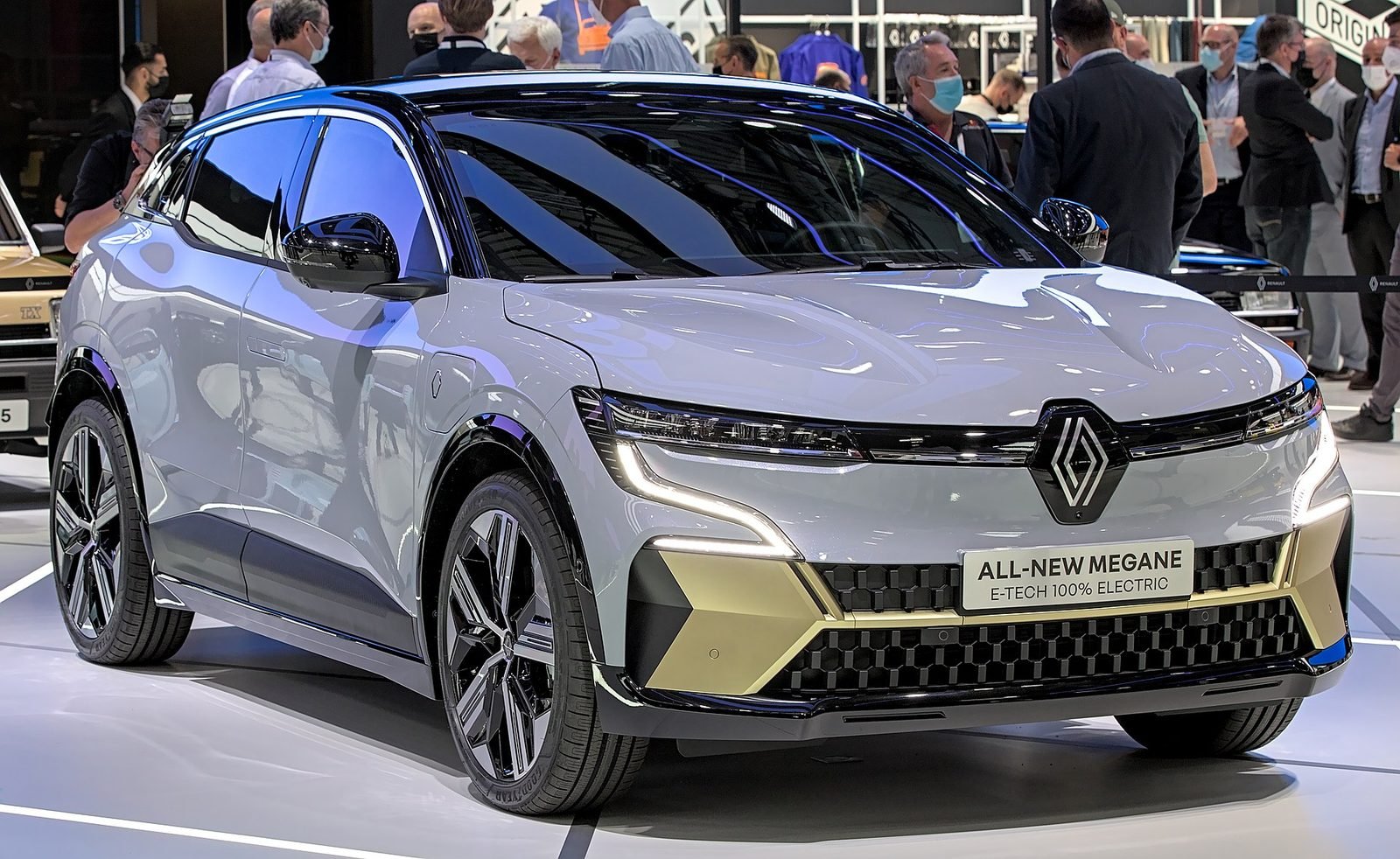
Renault plans to build five new models within the programme, including electric cars. A new battery assembly line is also planned at Valladolid.
Carmakers no longer treat electric manufacturing as a separate activity; many are folding battery assembly into existing production networks.
The move reflects a wider industry effort to keep existing European plants competitive while adapting them for electrified vehicles.
Battery assembly matters specifically because it lets manufacturers bring more of the electric vehicle value chain closer to final assembly, reducing logistical complexity and increasing plant flexibility as model volumes shift.
Renault’s decision also comes as European firms face pressure from Chinese rivals with shorter development cycles and strengthening positions in electric cars.
For Gulf markets, European production investment may affect future vehicle availability and export strategy, even though Renault has not tied this announcement specifically to the Middle East.
The company has a long regional presence in passenger cars and commercial vehicles, so coming models from the modernised Spanish plants may form part of Gulf line-ups later, depending on product strategy.
The larger industrial story is that carmakers no longer treat electric manufacturing as an entirely separate activity. Many are trying to fold battery assembly and multiple drivetrains into existing production networks.
That approach reduces the risk of dedicating a plant to a technology whose demand may grow more slowly than expected.
So Renault’s €600 million programme is an investment in electrification and in manufacturing flexibility at the same time.