Measured by the number of races hosted, 2026 is a clear retreat for the Gulf in Formula 1: two rounds became one after the Bahrain and Jeddah cancellations. But that measure alone misses the larger picture, because Gulf capital operates in the sport’s economy at levels the calendar does not capture.
The first level is sponsorship of the sport itself. Saudi Aramco is a global partner of Formula 1, and so is Qatar Airways. That kind of presence appears at every race on the calendar rather than at the regional round alone, which means its value is unaffected by a cancellation.
The second level is team sponsorship. Aramco is title partner of the Aston Martin Aramco team, so the company’s name is part of the team’s own name across the season. That is the highest form of commercial association in the sport short of ownership.
Sponsorship buys global visibility; race week buys a local commercial window — and that is what Jeddah and Manama lost.
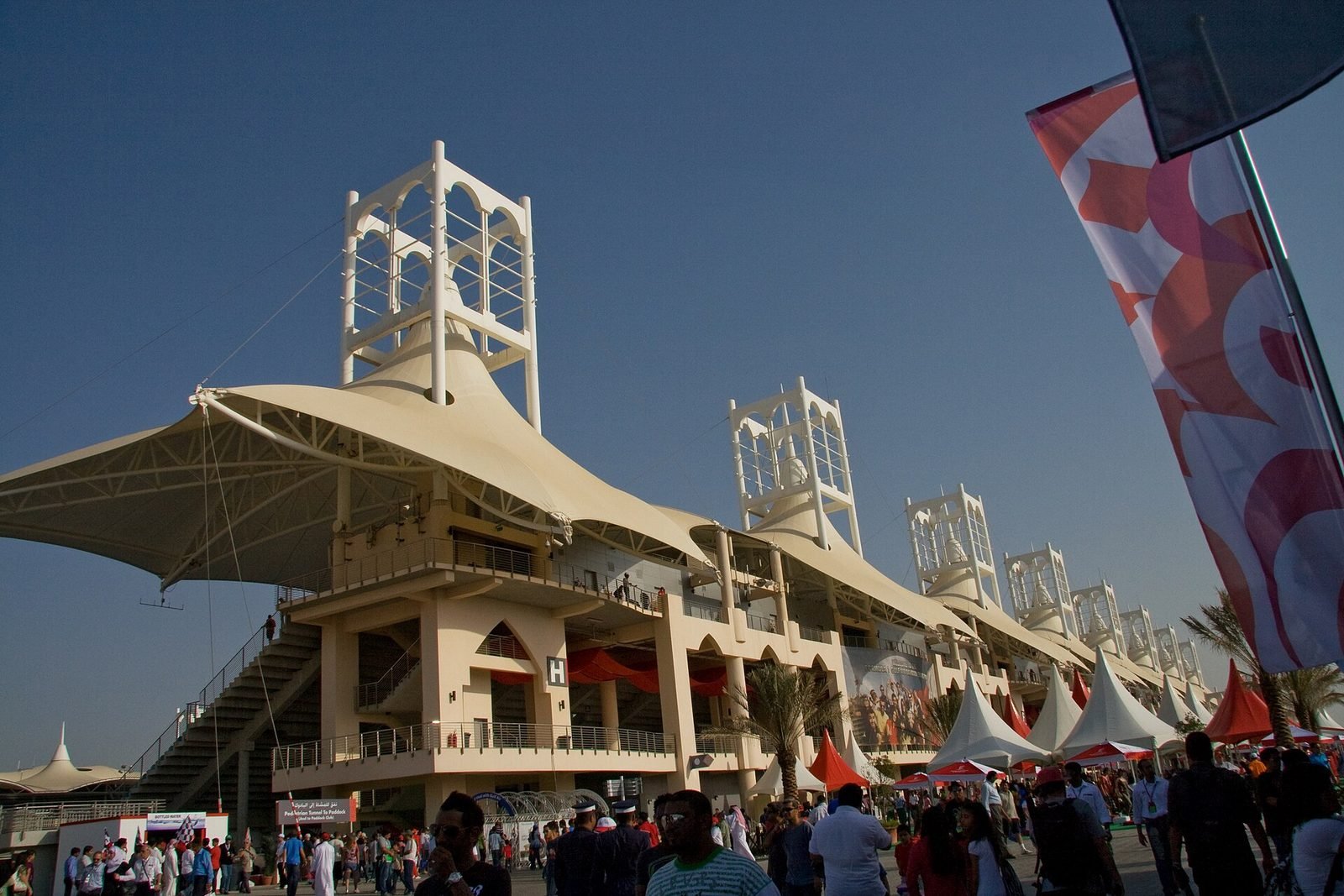
The third level is circuit ownership. Yas Marina Circuit and Bahrain International Circuit are locally owned and operated assets, and their value is not confined to race week: it extends across an annual programme of track days, brand events and regional testing.
The fourth level is the least visible and the heaviest: equity in the car groups themselves. Bahrain’s Mumtalakat fund is the largest shareholder in the McLaren Group, an association with the sport from the owner’s side rather than the sponsor’s.
Gulf capital in Formula 1 — the map of presence
| # | Entity | Country | Form of presence |
|---|---|---|---|
| 1 | Aramco | Saudi Arabia | Global partner of the sport and title partner to Aston Martin |
| 2 | Qatar Airways | Qatar | Global partner of the sport and title sponsor of the Qatar GP |
| 3 | Etihad Airways | UAE | Title sponsor of the Abu Dhabi Grand Prix |
| 4 | Mumtalakat | Bahrain | Largest shareholder in the McLaren Group |
| 5 | Yas Marina Circuit | UAE | Owner and operator of the season finale |
| 6 | Bahrain International Circuit | Bahrain | Owner and operator — off the 2026 calendar |
Gulf presence in Formula 1 is wider than the number of races hosted: global sponsorship, team sponsorship, circuit ownership and equity stakes in car groups. That is what keeps the region a player even in a season it lost two of three rounds. — Source ↗
These four layers together are what explain the region remaining a player in Formula 1 even in a season in which it lost two-thirds of its races. The investment is spread across global sponsorship, team sponsorship, circuit ownership and equity stakes, and none of it depends on where a round sits in a single year’s calendar.
A distinction remains between financial presence and public presence. Sponsorship buys global visibility; race week buys something sponsorship does not — a local commercial window used by distributors to launch models and run customer events in that market itself. That is precisely what Jeddah and Manama lost this year, and no global sponsorship replaces it.