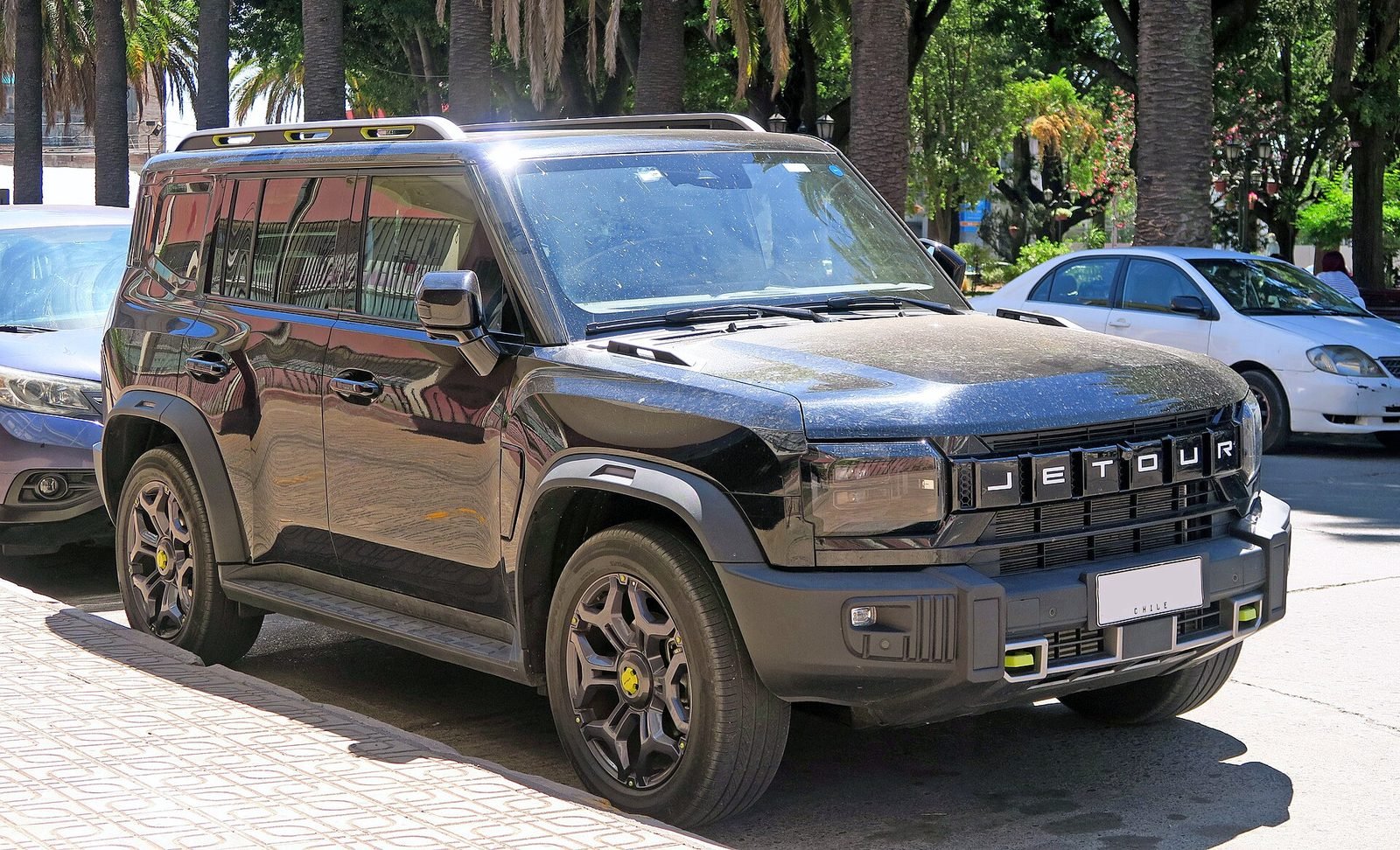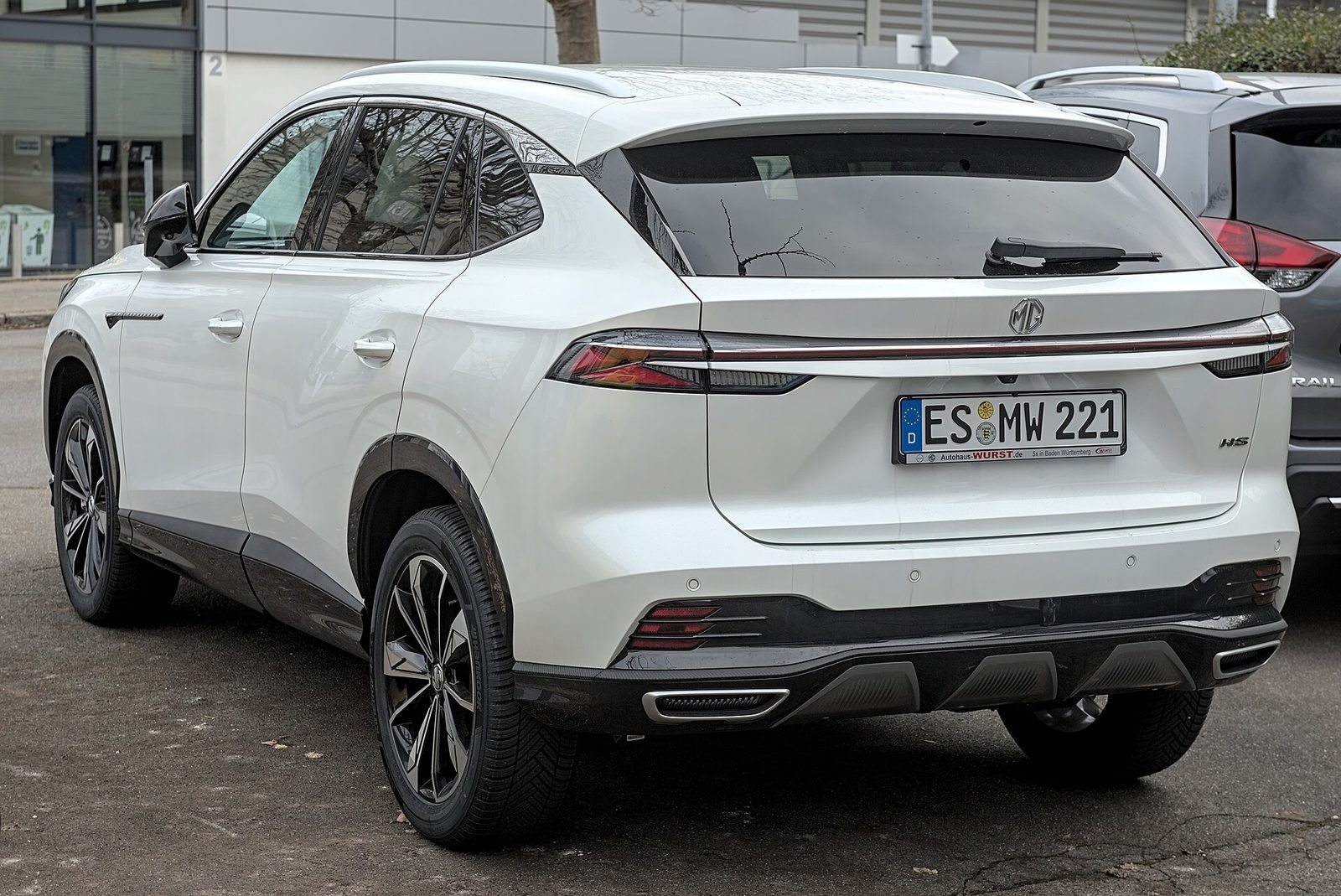

The Middle East rose up the map of Chinese car exports during July 2026, becoming Chery Group’s third-largest export destination after ranking sixth, and BYD’s fifth after ranking seventh.
Chery exported 21,123 cars to the region in July, followed by BYD with 13,164 and Geely Group with 7,148.
The report described the Middle East as July’s “standout bright spot” for both BYD and Chery, indicating that the region is no longer secondary in Chinese manufacturers’ calculations.
The Gulf combines three factors that rarely occur together: high purchasing power, relatively low import duties, and no trade barriers.
Over a longer window, Chery exported 57,175 cars to the Middle East in the first two months of 2026 alone — a company with more than twenty-five years of manufacturing experience that exports to over eighty countries.
The structural reason for this rise is that the Gulf combines three factors that rarely occur together: high purchasing power, relatively low import duties, and the absence of the kind of trade barriers Chinese cars face in Europe and North America.
Which means the region is shifting from a surplus-clearing market to a priority market — a shift that shows up practically in one thing a buyer can feel: new models reaching the Gulf closer to their Chinese launch date.
But speed of entry raises the question of depth. Showroom count is not a sufficient indicator; what matters more is the number of approved service workshops, parts inventory, and lead times when an uncommon fault occurs.
That is precisely the point that will separate, over the next two years, the Chinese marques that establish themselves in the Gulf from those that remain figures in an export table.