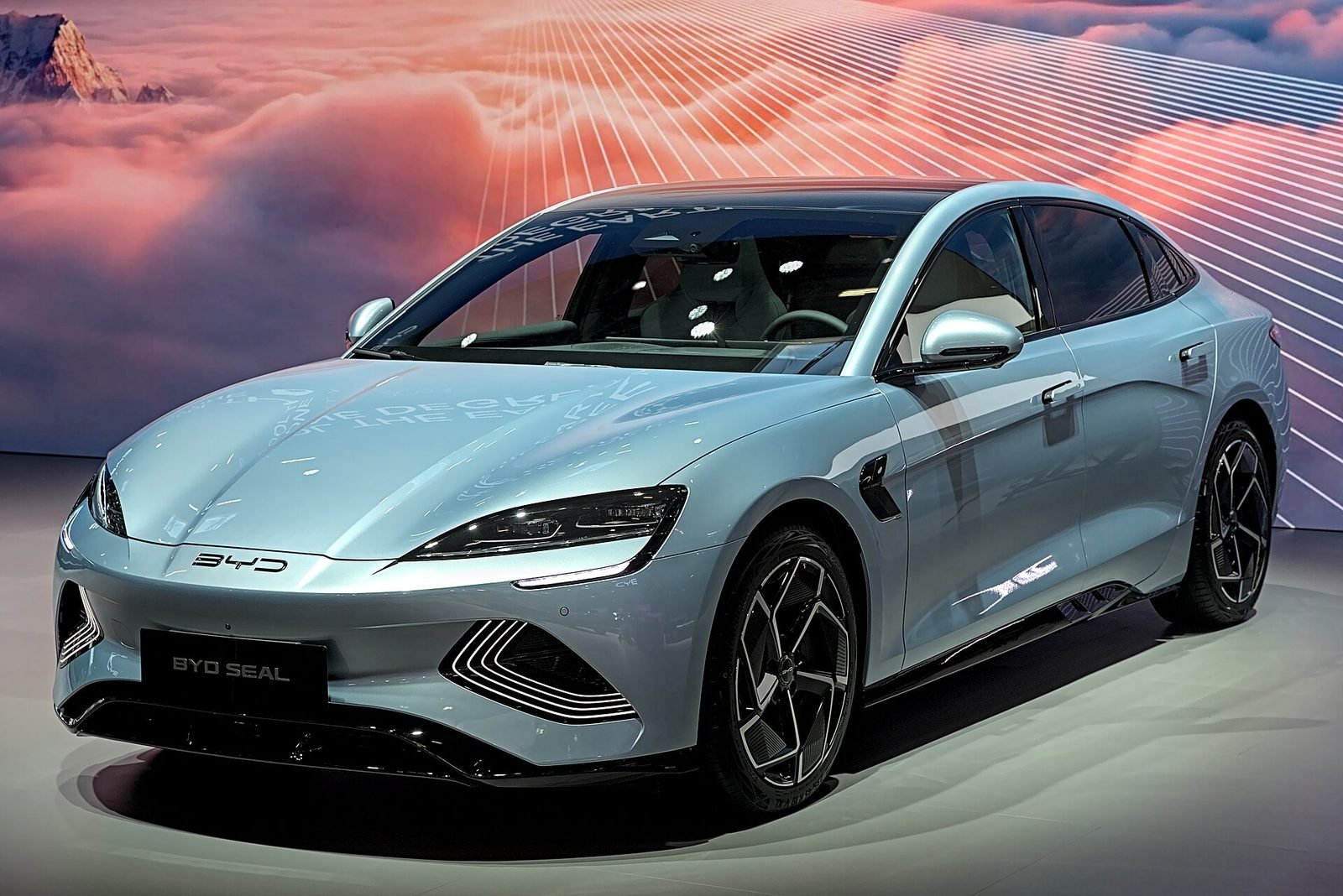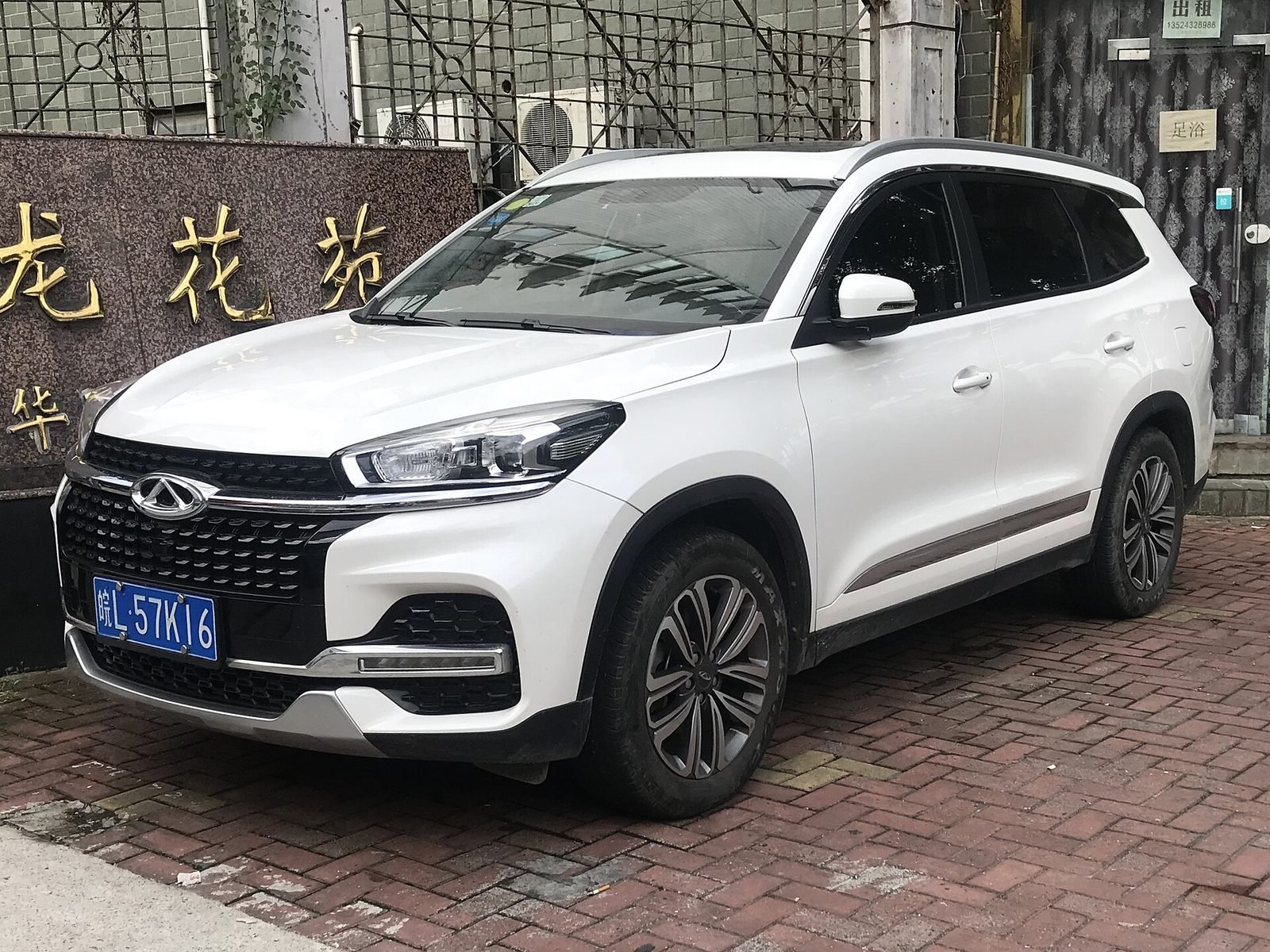
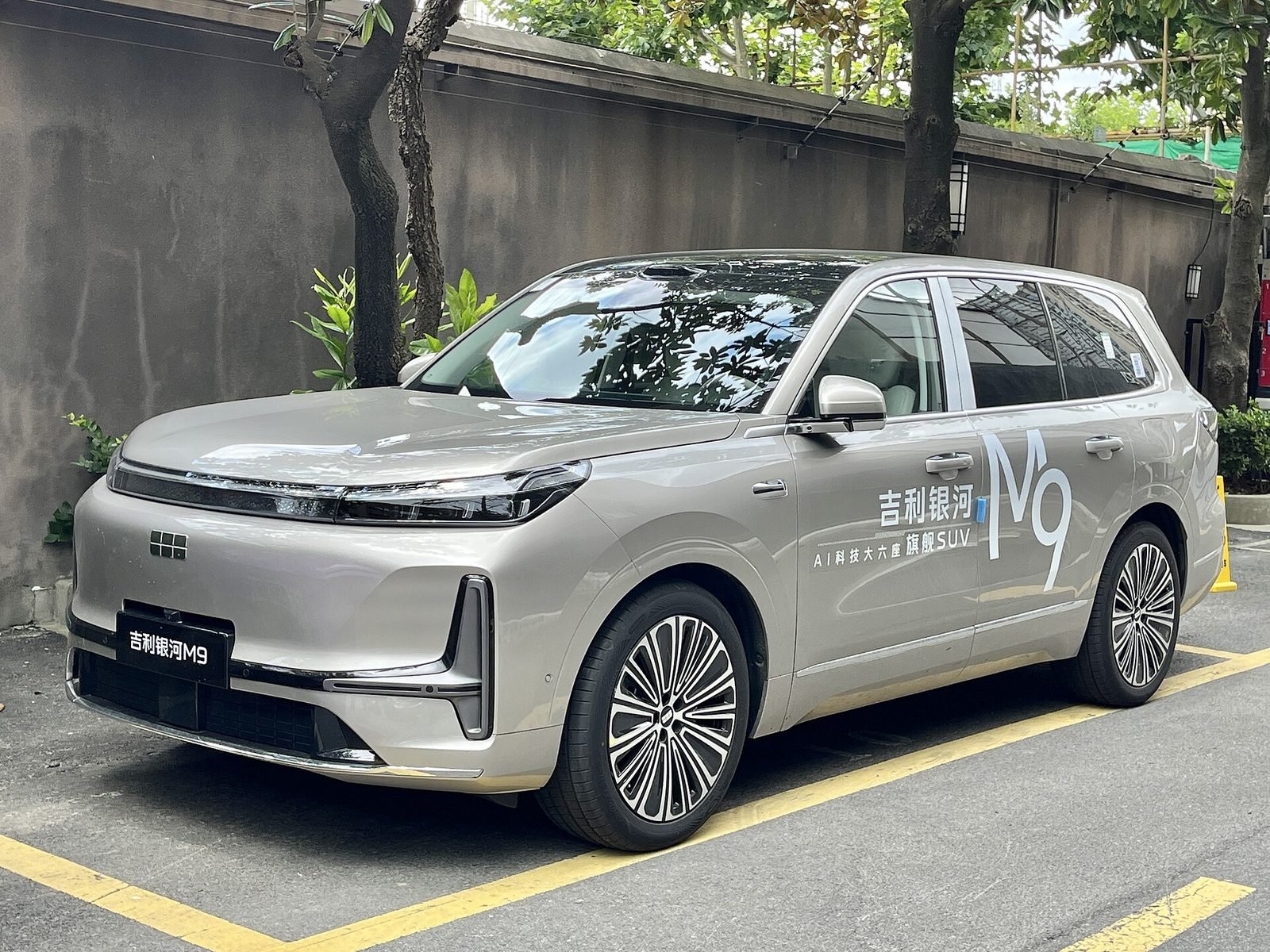
Two Chinese groups passed a million vehicles sold outside China in 2025: SAIC with 1.071 million, and BYD with 1.05 million, up 145% year on year.
That growth figure — 145% in a single year — is what deserves pause. More than doubling export volume in twelve months demands distribution, service and logistics networks that are not usually built at that speed.
Exports as the engine of growth — 2025
| # | Group | Overseas sales | Note |
|---|---|---|---|
| 1 | SAIC | 1,071,000 | Largest Chinese exporter |
| 2 | BYD | 1,050,000 | Up 145% year on year |
International sales figures for 2025 within the global ranking report. Geely targets 640,000 exports in 2026, and Chery, BYD and SAIC each target more than a million. — Source ↗
Which is why these groups partner with established local distributors rather than building networks from scratch, the pattern seen in the Gulf as XPeng entered through Ali & Sons and Lynk & Co through Gargash Motors.
A manufacturer that doubles exports without doubling its workshops accumulates a problem that appears after three years, not three months.
These annual figures are consistent with the monthly data: in July 2026 the Middle East rose to third among Chery’s export destinations with 21,123 cars, and to fifth for BYD with 13,164.
Announced targets for 2026 suggest the pace continues: Geely is aiming at 640,000 exported cars, growth above 50%, while Chery, BYD and SAIC each target more than a million.
The practical effect in the Gulf shows up in three things a buyer can feel: new models reaching the region closer to their Chinese launch, wider standard equipment lists, and longer warranty periods.
But the indicator to follow in 2027 is not export volume; it is the density of the service networks accompanying it. A manufacturer that doubles exports without doubling its workshops accumulates a problem that appears after three years, not three months.