The two large Gulf markets are falling at almost the same rate in 2026: Saudi Arabia 23.5% in the first half, the UAE 23.2% over eight months.
But the similarity stops there. In Saudi Arabia, Toyota holds 30.8%, about a third of the market, while its UAE share is 21% — a full ten-point difference in how concentrated the lead is.
Saudi Arabia against the UAE — the two markets in 2026
| # | Indicator | Saudi Arabia | UAE |
|---|---|---|---|
| 1 | Market size | ≈410,000 (first half) | 160,210 (eight months) |
| 2 | Market direction | −23.5% | −23.2% |
| 3 | Leader | Toyota 30.8% | Toyota 21.0% |
| 4 | Highest Chinese marque | MG sixth, 4.3% | Jetour fourth |
| 5 | Chinese marques in the top ten | 4 marques | Jetour and BYD |
| 6 | Combined Chinese share | 13.4% | Not published |
The two markets are falling at almost the same rate, but the concentration of the lead differs: Toyota’s Saudi share exceeds its UAE share by a full ten points. — Source ↗
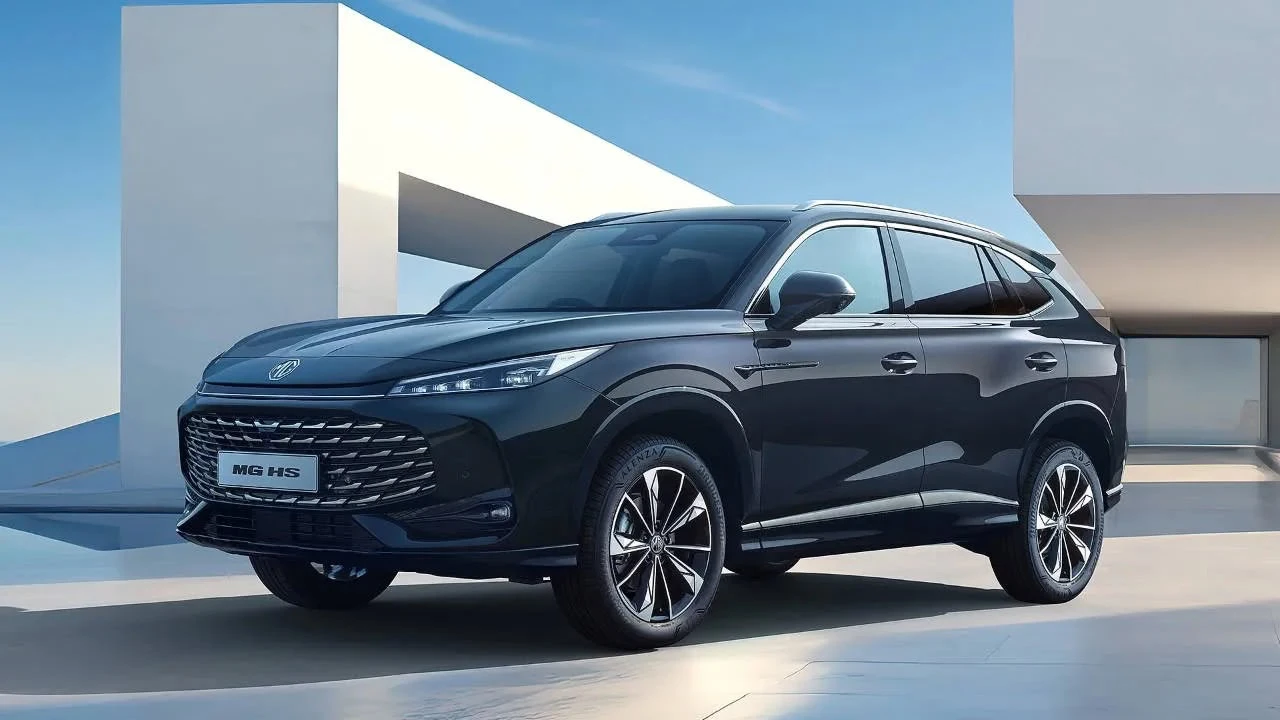
The second difference is where Chinese marques sit: in Saudi Arabia four enter the top ten with a combined 13.4%, the highest being MG in sixth. In the UAE, Jetour rises to fourth and BYD to fifth on a 4.8% share.
Chinese presence in Saudi Arabia is broader; in the UAE it is higher — a difference that determines the whole entry strategy.
Which is to say Chinese presence in Saudi Arabia is broader (more marques) while in the UAE it is higher (positions closer to the top). That is a fundamental difference for anyone planning market entry: the first requires covering multiple segments, the second requires one successful model.
The methodological conclusion is that treating the Gulf as one market in any commercial plan is a common error. The two markets resemble each other in size and direction and differ in competitive structure and buyer behaviour.