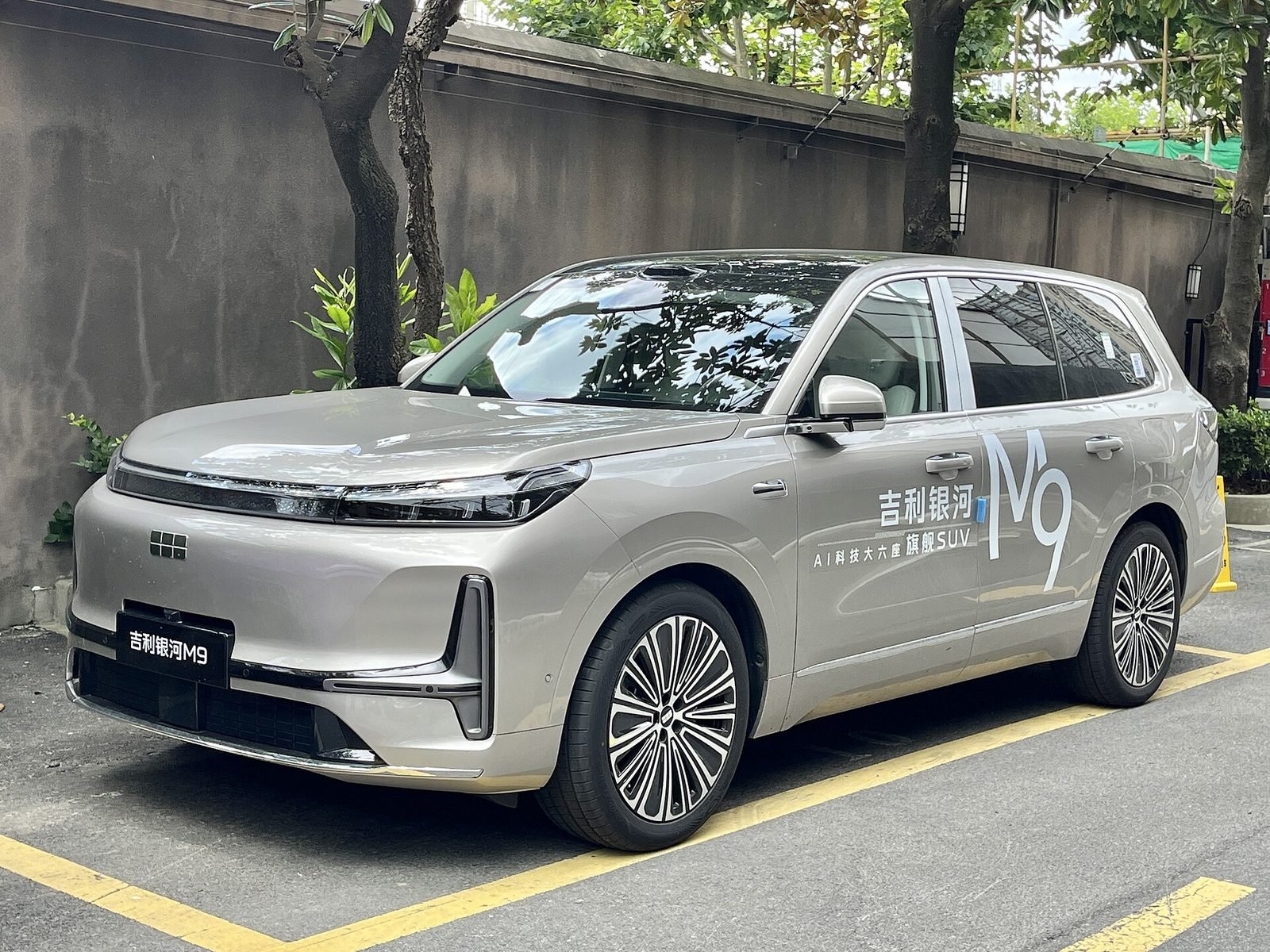
The Huawei HIMA alliance — which covers marques developed in partnership with Chinese manufacturers — delivered 37,490 vehicles in September 2026, down 29.15%, the largest annual decline in the month’s table and the alliance’s fourth consecutive fall.
The significance of that figure exceeds its size. The HIMA model rested on the premise that superior software and driver assistance systems would be enough to differentiate a car in the market.
But what happened through 2026 is that those systems moved from being a feature that distinguishes a marque to being equipment expected in almost every new car — and when a differentiator becomes standard, the decision returns to price, space and the service network.
When a differentiator becomes standard, the decision returns to price, space and the service network.
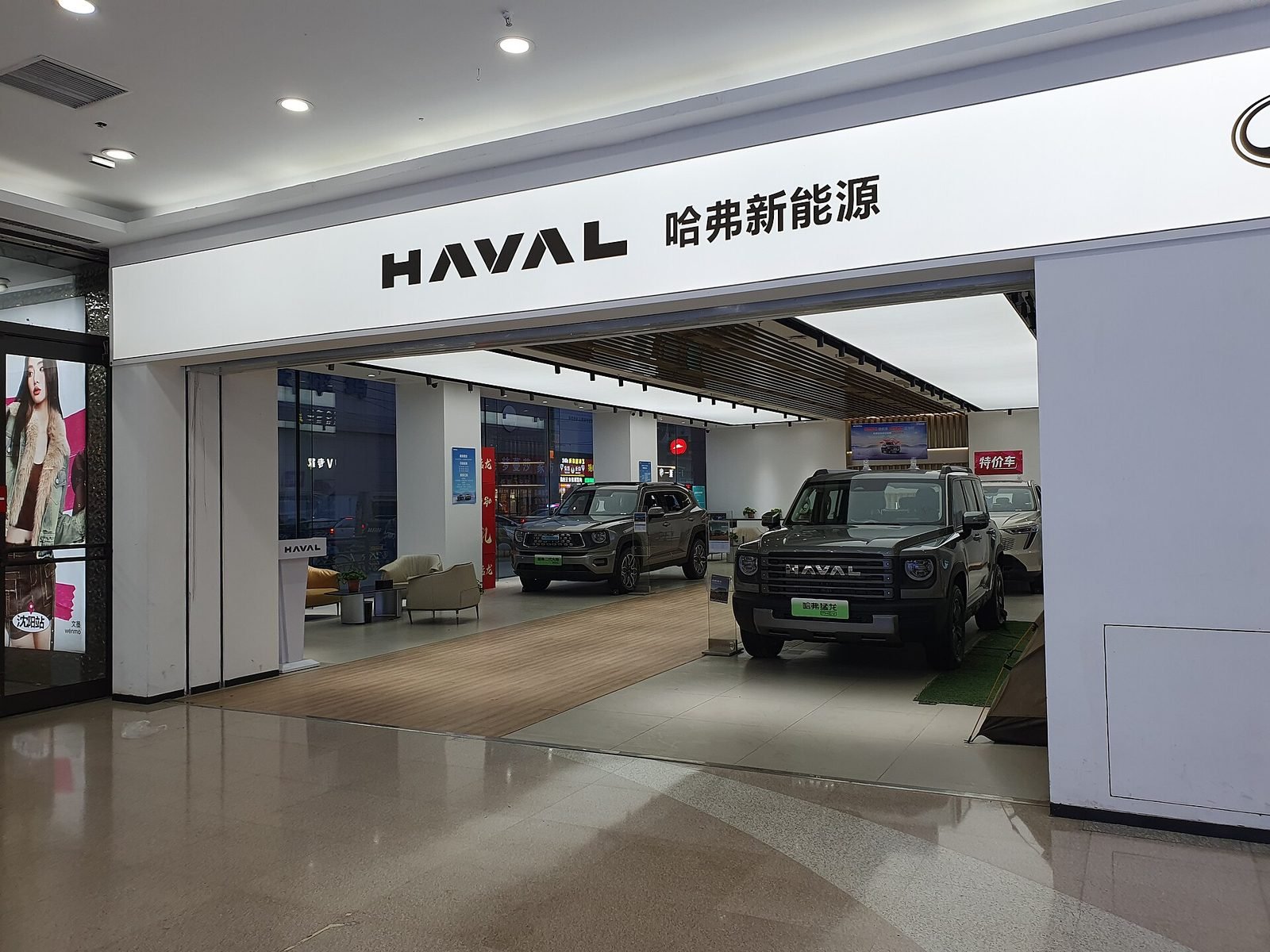
At the same time, competition at platform level is accelerating. Great Wall Motor revealed the next generation of its GWM ONE S platform at the 2026 Auto China show, alongside a 4.0-litre V8.
That combination of an intelligent platform and a V8 illustrates the market’s current paradox: electrification and software are advancing, but demand in particular markets — the Gulf among them — still values large mechanical performance.
For the buyer in the region, the practical point is that comparing driver assistance systems between models has become harder rather than easier, because the commercial names differ while the actual capabilities converge.
More importantly, many of these systems depend on maps and connected services that may not be fully enabled outside China. So they should be tested inside the car in the local market before their value is counted into a purchase decision.