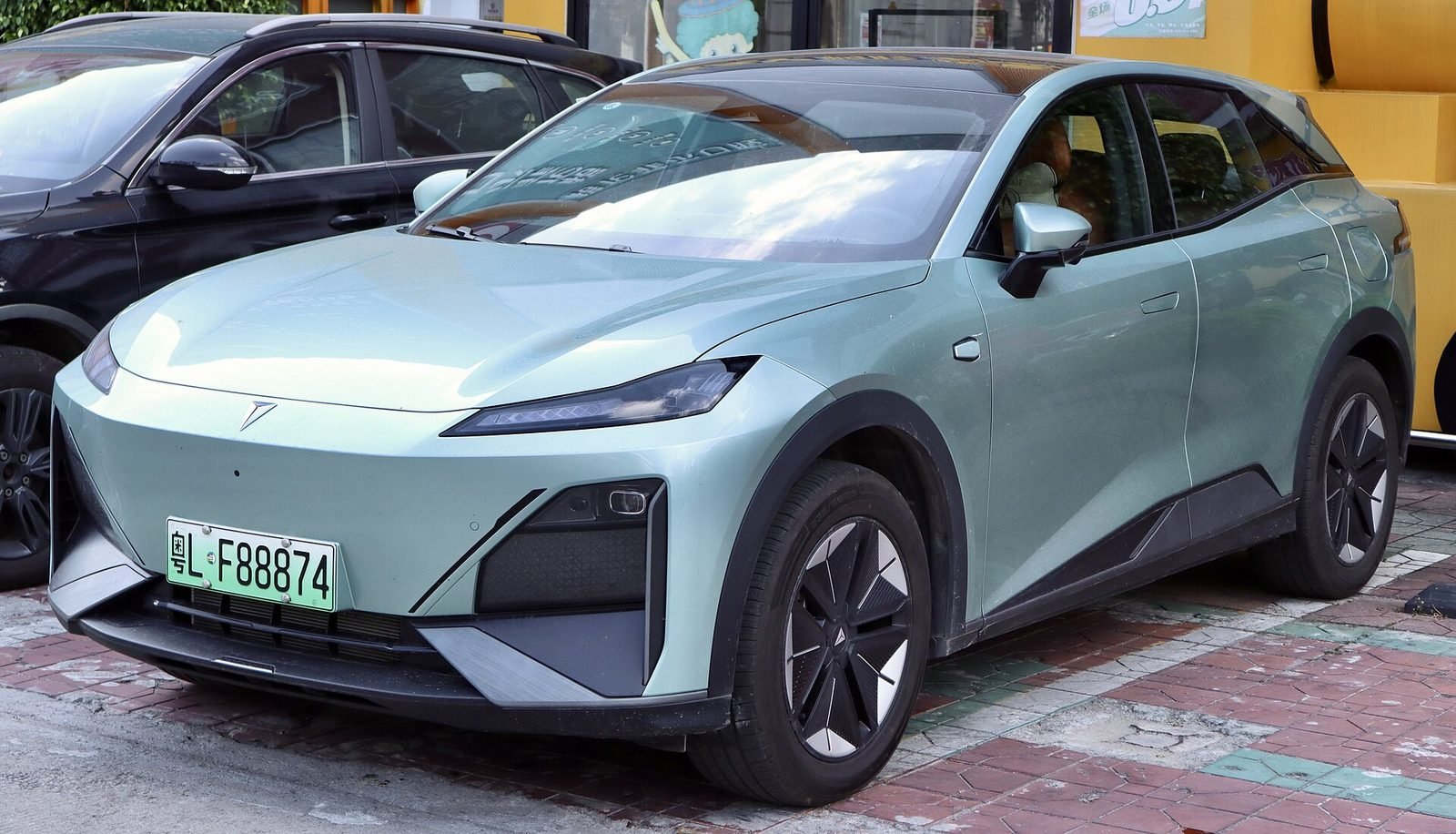

Saudi Arabia and the UAE are treated in most regional distribution plans as one market, or the second as an extension of the first. That is among the costliest assumptions in this industry, because the differences between them are structural rather than marginal.
We begin with four numbers that alone refute the assumption.
Two neighbouring markets, and how little they share
2026 figures — Saudi Arabia first, the UAE in the note
- Market size — Saudi
- 681
- Average price — Saudi
- 104
- Holding period — Saudi
- 4.8
- Chinese share — Saudi
- 31
thousand units · UAE 412
thousand dirhams · UAE 128
years · UAE 3.6
% · UAE 24%
Gulf Auto model. The two are routinely treated as one market, and these four numbers alone refute that: volume is larger in the first, value higher in the second, the cycle faster in the second, and buyer inclination different in both.
Volume is larger in Saudi Arabia by more than sixty per cent. Value is higher in the UAE by twenty-four per cent in average transaction price. The ownership cycle is shorter in the UAE by a year and a quarter. And the Chinese marque share is higher in Saudi Arabia by seven points.
The UAE dealer earns from sales turnover and the Saudi dealer from servicing a longer-lived parc. Two models in two neighbouring countries.
Each of those differences overturns a different commercial decision: inventory depth, equipment mix, trade-in policy, and the priority order of marques in a range.
The structural breakdown makes the picture clearer.
The two markets face to face
% of units — upper bar Saudi Arabia, lower bar UAE
% of units — Gulf Auto model. Every difference flows from one: Saudi Arabia is a market of distance, dispersed cities and larger households; the UAE is one of urban density, higher incomes and a mobile resident fleet. A marque that succeeds in one does not automatically succeed in the other.
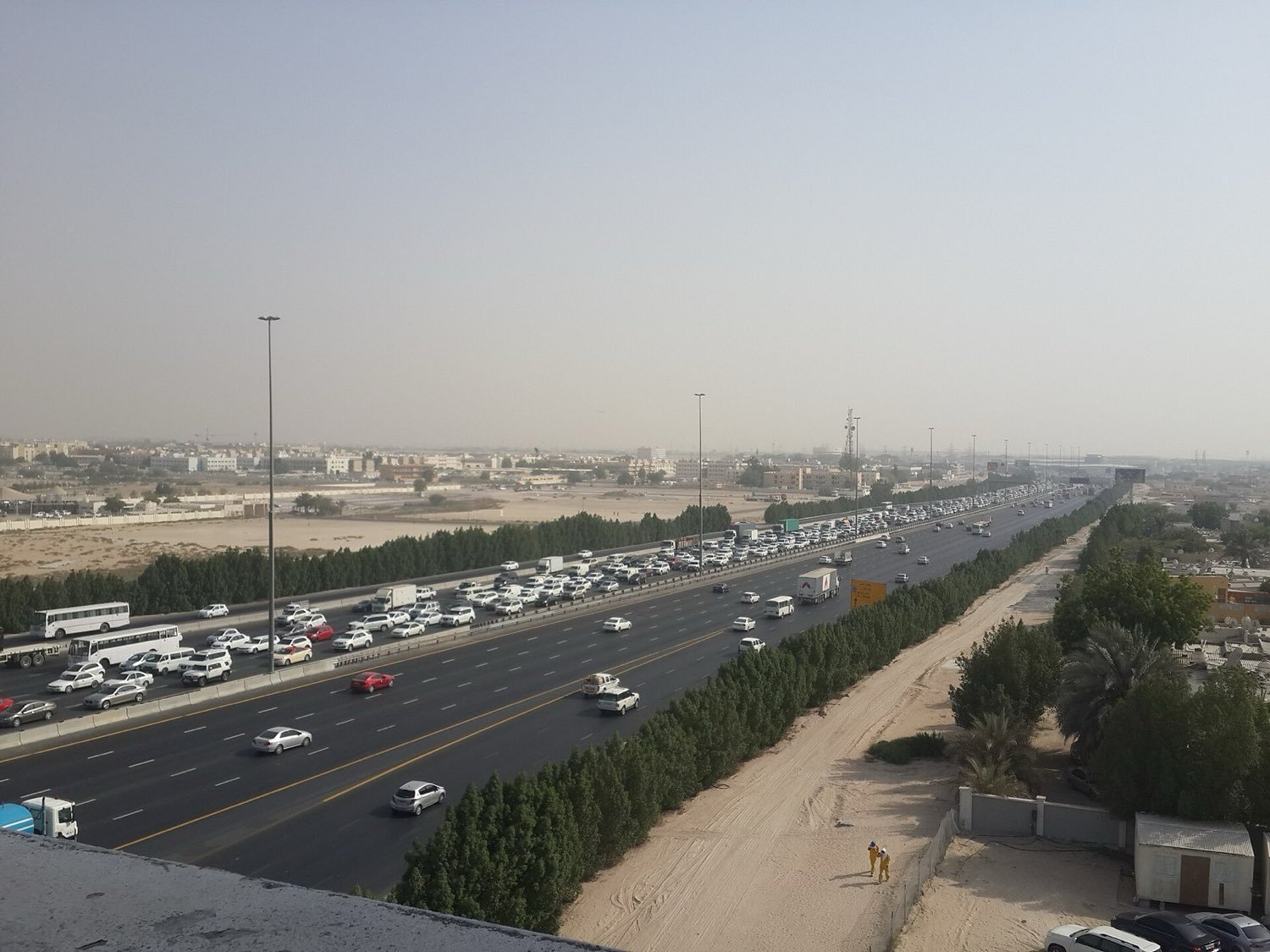
Every difference flows from one fundamental: Saudi Arabia is a market of distance, dispersed cities and larger households; the UAE is one of urban density, higher incomes and a mobile resident fleet.
Take pickups. Their share is sixteen per cent in Saudi Arabia and eleven in the UAE. The cause is not taste but geography and economics: long distances, agricultural and construction activity outside cities, and a road network spanning an area many times the UAE’s.
Or electric: its share in the UAE is roughly double Saudi Arabia’s. Three causes: urban density that makes range matter less, a relatively more mature charging network, and a population more inclined to early adoption.
Luxury marques hold double the share in the UAE. That is a difference of income and population composition together: the UAE holds a proportionally larger high-income resident group, and its luxury market also serves passing demand from visitors to the region.
The most consequential difference in practice is the ownership cycle: three years and six-tenths in the UAE against four and eight-tenths in Saudi Arabia. That gap — which looks small — changes everything in dealer economics.
A shorter cycle means a larger used market, higher sensitivity to resale value, greater reliance on trade-up programmes, and a faster flow of returning customers. A longer cycle means greater reliance on aftersales and parts as a source of income.
How long do buyers keep their cars?
Average years of ownership before replacement
years — Gulf Auto model. The short UAE cycle is less a matter of affluence than of population structure: a resident who does not know how long they will stay prefers short finance and fast replacement. That short cycle is what feeds the region’s largest used market.
Which is to say the UAE dealer earns from sales turnover and the Saudi dealer earns from servicing a longer-lived parc. Two business models in two neighbouring countries.
A third difference concerns geographic distribution within each market. The UAE concentrates in two urban corridors, which makes coverage with five showrooms possible. Saudi Arabia requires presence in Riyadh, Jeddah, Dammam and secondary cities, which raises the cost of entry considerably.
That is precisely the reason for a recurring pattern: a new marque enters the UAE first because coverage is cheaper, then moves to Saudi Arabia two years later. The result is that the UAE has become a regional test market by default.
What does this mean for anyone planning? Three conclusions. First, that success in one market does not guarantee success in the other, and a range that works in Dubai may fail in Riyadh for reasons unrelated to the marque.
Second, that uniform pricing across the two is a recurring error: price sensitivity, purchasing power and segment mix differ, and a price that looks competitive in one may be misplaced in the other.
Third, that computing “the Gulf market” as a single number produces wrong decisions in inventory above all. A model in demand in one market may sit idle in the other, and a unified regional stock looks efficient on paper while producing shortages in one place and overhang in another.
Gulf Auto will update this comparison annually as a practical tool for anyone planning entry into the region or reallocating resources inside it.