A simple question is overlooked in most regional inventory plans: when do people buy? In the Gulf the answer is far from an even distribution. The gap between the strongest month and the weakest approaches a factor of two, which is large enough to overturn supply, pricing and staffing calculations.
The monthly curve draws the full picture.
Seasonality through the year
Monthly sales index — 100 = average
index (100 = average) — Gulf Auto model. The November–December peak is driven by the motor show, year-end offers and the population’s return after summer. The July trough is not weak demand but absent buyers: those who can travel do, and showrooms sit near-empty for six weeks.
The trough is in July and August, the peak in November and December, and the gap between them approaches double. This is less a demand cycle than a presence cycle: those who can travel in summer do, and showrooms sit near-empty for six weeks.
November is the worst month to negotiate despite the volume of its advertised offers. July and late December are the best.
So the summer trough is not weak appetite to buy but absent buyers. That distinction matters because it means demand is not lost but deferred, returning doubled in September.
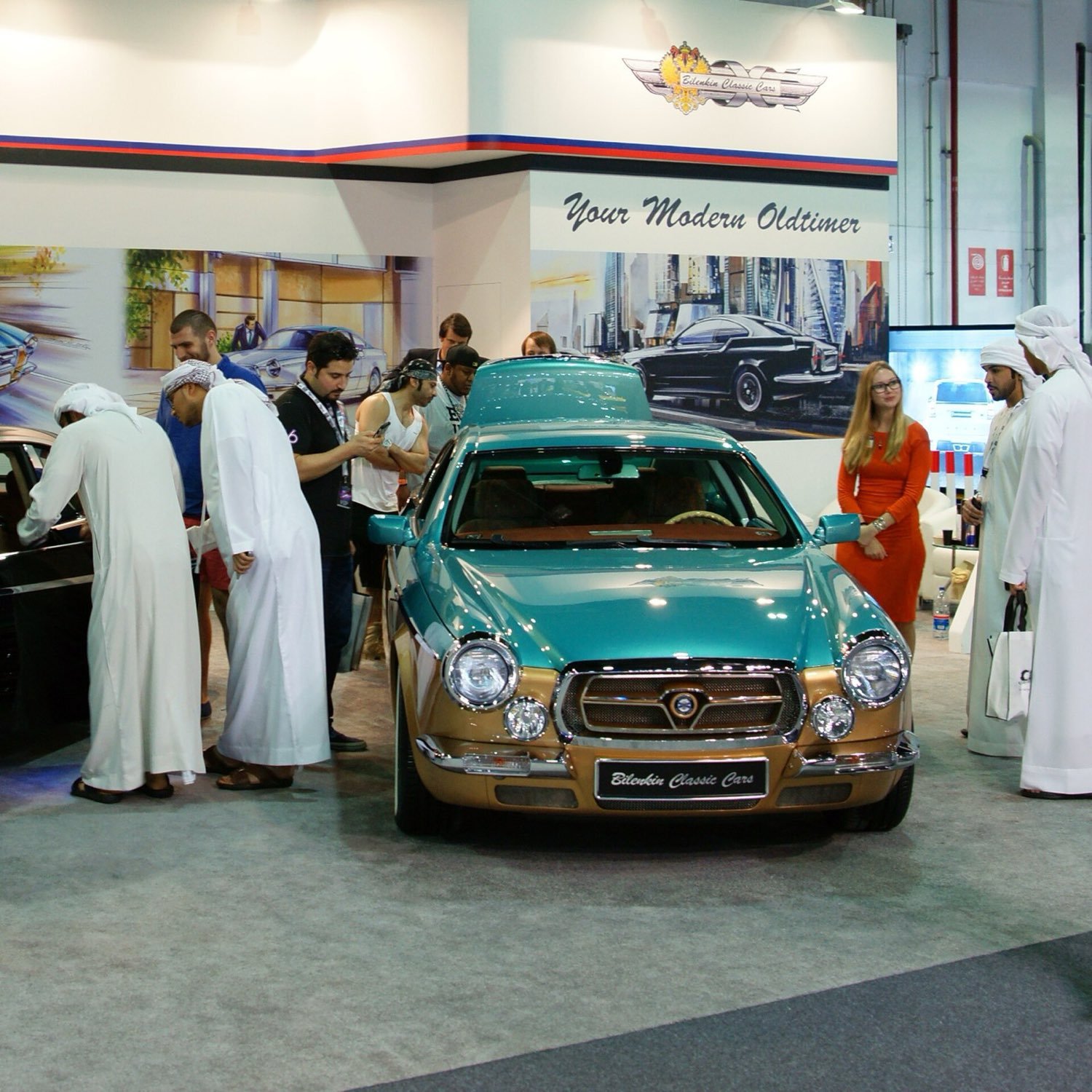
The fourth-quarter peak is driven by three reinforcing factors: the population’s return after summer; the motor show, which falls in this quarter and acts as a stimulus for the whole market rather than for its exhibitors alone; and year-end offers through which marques clear current-year stock before the following year’s models arrive.
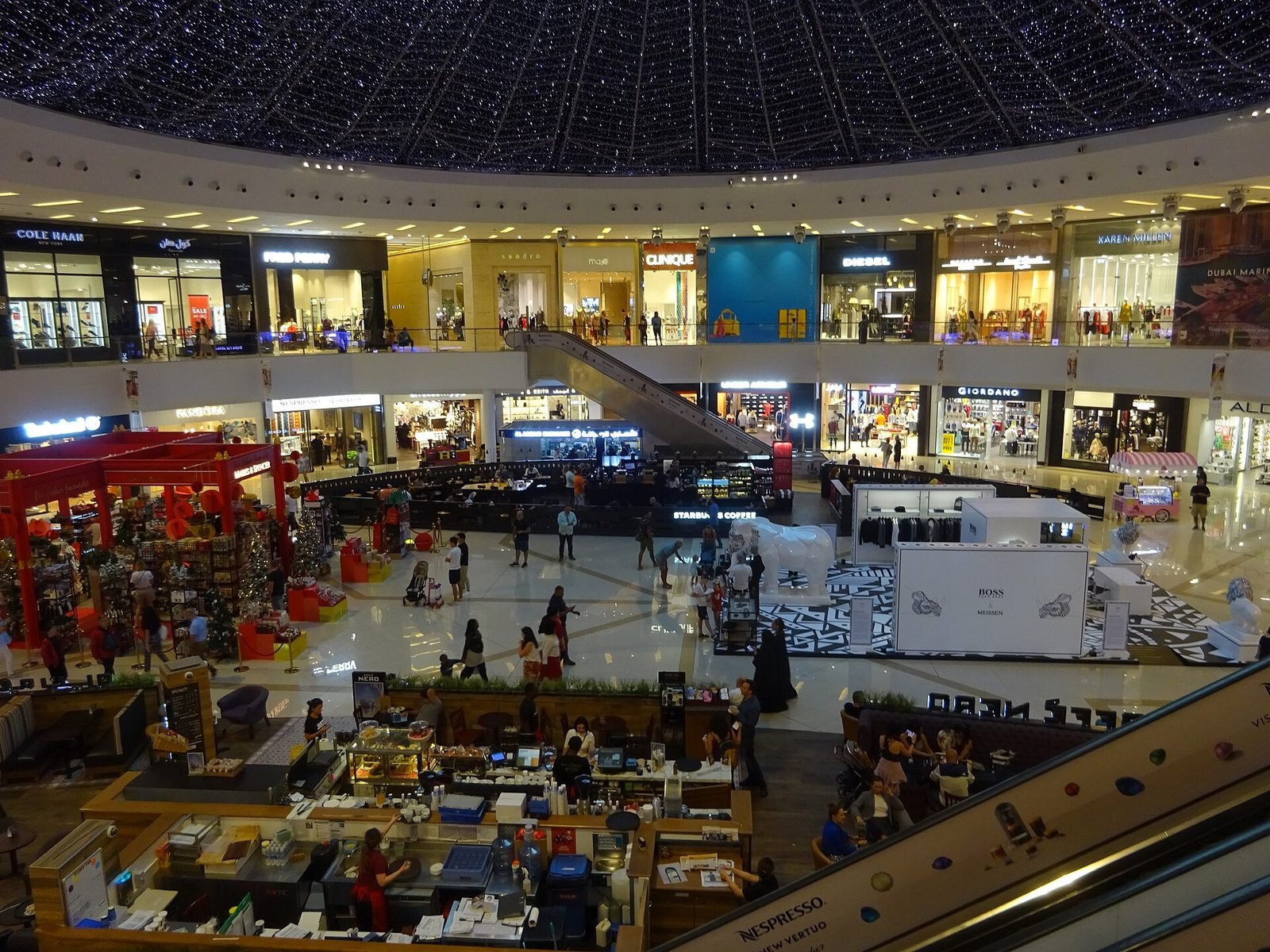
The third factor deserves a note: November and December discounting is not seasonal generosity but accounting necessity. A car carrying the current model year loses part of its value on the first of January without anything about it changing. Selling it at a discount in December is therefore cheaper than holding it to January.
That single fact is the most valuable thing in this report for a buyer: the best time to buy in the Gulf is the last two weeks of December, for a reason unconnected to marketing seasons or advertised offers.
The second layer of seasonality is religious rather than climatic: Ramadan and Eid. Their effect does not cancel demand but redistributes it within the month.
The effect of Ramadan and Eid al-Fitr on sales
% change against the monthly average
% change — Gulf Auto model. The season does not cancel demand; it defers and concentrates it. What is lost in the first fortnight returns doubled around Eid. A dealer stocking to a monthly average loses twice — once on idle stock, once on running out in the week that counts.
The pattern is consistent: a sharp drop in the first two weeks, recovery in the final ten days, then a large jump in Eid week and after. The monthly total is nearly level, but the internal distribution is extremely uneven.
A dealer who builds stock on a monthly average loses twice in that month: once on idle inventory in the first fortnight, once on running out in the week that counts. That is a common operational error, and it costs more than pricing errors do.
Note too that Ramadan moves about eleven days a year against the Gregorian calendar, so its effect falls in different months from year to year. Any month-on-month comparison between two years that does not adjust for that shift is misleading — a recurring error in reports that compare March with March without noticing.
Distributing the year across quarters summarises the overall picture.
Sales by quarter
% of full-year sales
- First quarter26%
- Second quarter21%
- Third quarter21%
- Fourth quarter32%
% of full-year sales — Gulf Auto model. The final quarter alone approaches a third of the year, so reading any marque’s performance before the end of October is reading too early: Gulf brand rankings genuinely change in the last ten weeks.
The final quarter alone approaches a third of the year. So reading any marque’s performance before the end of October is reading too early: Gulf brand rankings genuinely change in the last ten weeks, and many reports published in October about “the market’s leading marque” appear before the matter is settled.
What does this mean for anyone running a distribution network? Three practical conclusions. First, that inventory should be built to a curve rather than an average, and that peaking stock in October is a necessity rather than a precaution.
Second, that it is service capacity rather than sales that chokes at the peak: delivery, registration and finance all seize up when demand doubles within a few weeks, and a customer who waits three weeks for a car they have bought remembers it at the next replacement.
Third, that summer is an opportunity rather than a holiday: it is the right time for maintenance, for team training and for clearing slow stock — not for cutting staff in anticipation of a seasonal lull.
And for the buyer? One clear conclusion: buy in July or in the second half of December. In the first the showroom is empty, the salesperson free and ready to negotiate; in the second the pressure to clear the model year is at its height. November is the worst month to negotiate despite the volume of its advertised offers.
Gulf Auto will update this curve annually with an adjustment for Ramadan’s movement, as one of the most practically used planning tools in the region.