
Between 2020 and 2024 the average new-car price in the Gulf rose by about twenty-eight per cent. Since 2024 it has been falling. The surface reading of those two movements — inflation, then relief — is wrong in both cases, because an average price is a composite number rather than a simple one.
We start with the curve itself.
Average new-car price
Thousand dirhams — nominal prices, not inflation-adjusted
- UAE
- Saudi Arabia
- Gulf average
Gulf Auto model. The 2020–24 rise is not price inflation alone but a change of mix: buyers moved to larger segments and higher trims. The fall since 2024 has the opposite cause — the arrival of lower-priced marques pulled the average down without existing models getting cheaper.
The climb between 2020 and 2024 was less price inflation than a change of mix. Buyers in those years moved to larger segments and higher trims, which lifts the average even if no individual model changed price.
The average fell because the market widened from below, not because prices retreated. The car you are looking at has not got cheaper.
Three factors compounded: the chip shortage, which pushed manufacturers to allocate their limited capacity to higher-margin models, so economy segments vanished from supply; shrinking discounts in a market facing scarcity; and a shift in buyer preference towards SUVs.
The first is the most important and least understood: when a manufacturer holds chips enough for half its capacity, it allocates them to the car that earns most. The result is that a buyer looking for an economy car did not find one, and bought above it or did not buy.
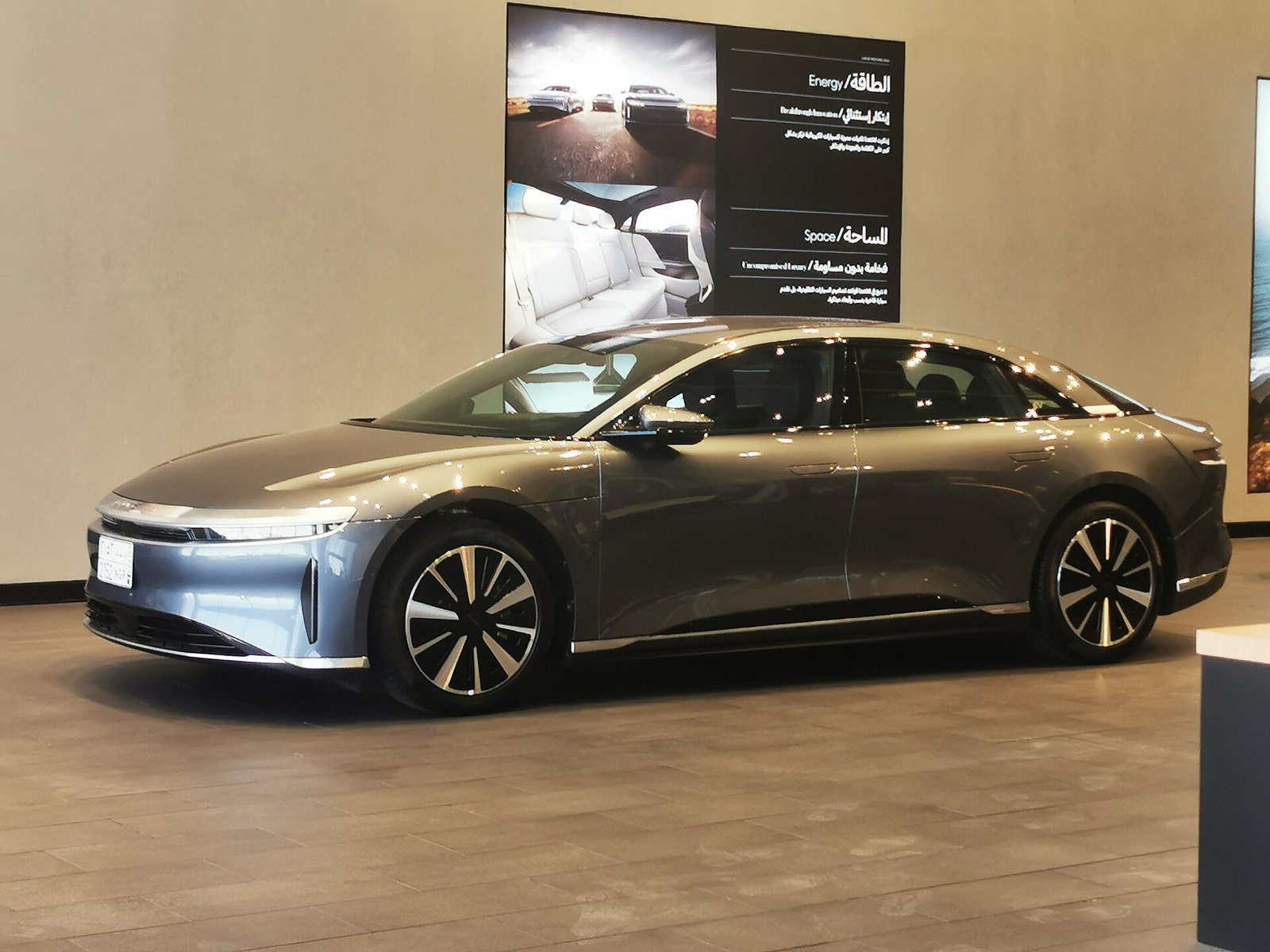
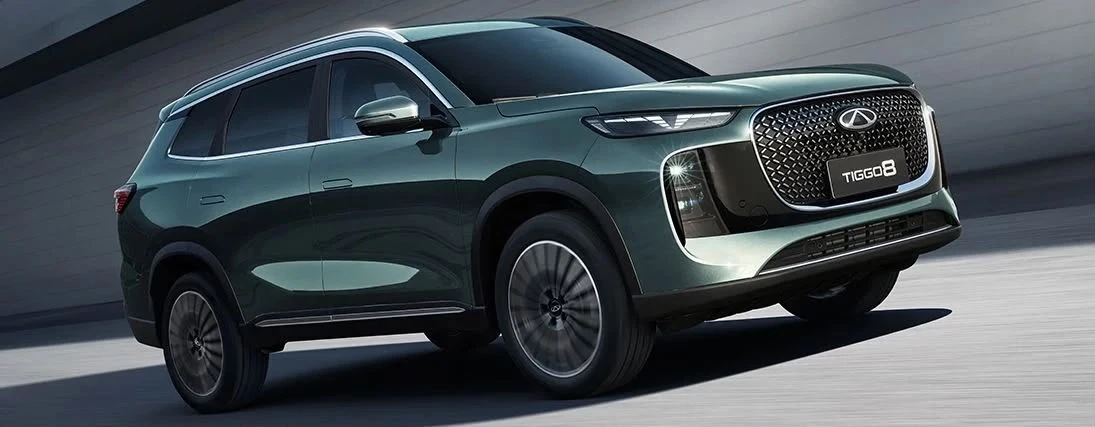
The turn since 2024 has exactly the opposite cause: the arrival of lower-priced marques pulled the average down without existing models getting cheaper. The average falls and the car you are looking at has not become more affordable.
That is a distinction of real practical importance for buyers: anyone who reads a headline about falling average prices and expects to find the model they want cheaper will be disappointed. The average fell because the market widened from below, not because prices retreated.
And for anyone studying the market, this is a textbook case of the composite-average fallacy: the figure moves for two different reasons — price change and mix change — and reading it without separating them sometimes produces a reversed conclusion.
The persistent gap between the Saudi and UAE markets deserves a note: the average price in the UAE runs about a third higher throughout the period. That is a mix difference rather than a pricing difference: the same model may be priced similarly in both, but the composition of what sells differs.
The second layer is the distribution of prices across segments, which is more useful in practice than the overall average.
Average transaction price by segment
Thousand dirhams — Gulf market, 2026
thousand dirhams — Gulf Auto model. The compact crossover is the market’s centre of gravity: roughly a quarter of units and the highest density of competing models. A marque without a strong product in that one segment competes at the edges, whatever the rest of its range looks like.
The compact crossover is the market’s centre of gravity: roughly a quarter of units, with the highest density of competing models. A marque without a strong product in that one segment competes at the edges, however strong the rest of its range.
And the span between the lowest and highest segments — from fifty-eight thousand dirhams to three hundred and forty-one — shows that the Gulf is not one market in pricing either, but several adjacent markets each with its own dynamics.
What will move prices in the coming years? Four factors in order of effect. First, supply mix: marques entering or leaving the economy segments move the average more than anything else. Second, battery costs, concentrated in the electric segment and spreading from it.
Third, sea freight rates, a line that weighs on the Gulf more than elsewhere because almost every car arrives by sea. Fourth, finance policy, which does not change the price but changes what a buyer can carry, and therefore the mix.
What can a buyer do with this reading? Two things. First, not to compare the price of their car with the market average but with its segment: the average is a statistical figure, not a pricing reference. Second, to follow their segment’s movement rather than the market’s, since that is the only one that concerns them.
Gulf Auto will update this curve annually, separating the effect of mix from the effect of pricing — that separation is what makes the number useful rather than misleading.