Measured by cars sold, German marques look like a mid-sized player in the Gulf market. Measured by value they look like something else entirely. The gap between the two readings is the heart of understanding the premium segment here.
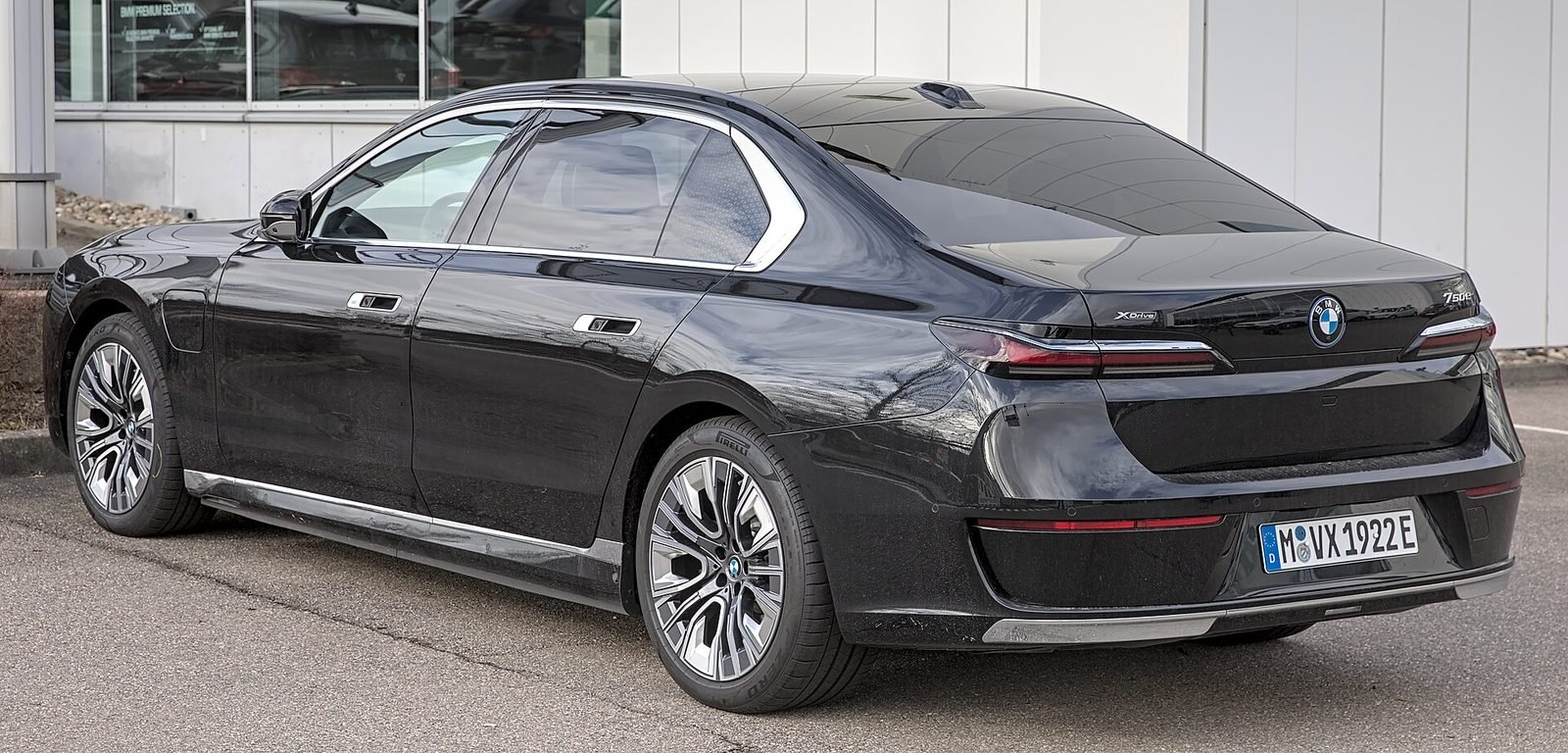
The figures say five German marques sell eight point four per cent of Gulf units and take nineteen point four per cent of its value. Their share of the dealer’s till is double their share of the road.
German marques in the Gulf: volume against value
Upper bar unit share, lower bar value share — %
% of market — Gulf Auto model. The five together sell 8.4 per cent of Gulf units and take 19.4 per cent of its value. Counting cars to judge the German presence is therefore misleading: their share of the dealer’s till is double their share of the road.
That is not a statistical curiosity. It explains why these marques attract commercial and editorial attention out of proportion to their unit numbers, and why distribution networks allocate them display space and service resources that their volume alone would not justify.
The Gulf is a value market, not a volume market. Measuring share by units alone misjudges where the profit sits.
The gap in average transaction price makes the point more sharply.
Average transaction price by country of origin
Thousand dirhams — UAE market, 2026
thousand dirhams — Gulf Auto model. The first row runs roughly three times the last, a gap that reflects market position far more than it reflects cost. What protects that position is not the product alone but a whole system: service, subsidised finance and high residual value.
The first row runs roughly three times the last. It does not reflect a cost difference of that scale — building a German luxury car does not cost three times building its Chinese counterpart. What it reflects is market position, an intangible asset built over decades.
What protects that position? Not the product alone, but a system of four interlocking elements. First, a dense and trained service network. Second, finance subsidised by the marque’s own arm at rates no competitor without a bank can match. Third, a high residual value that lowers the effective cost of ownership. Fourth — and hardest to imitate — a social meaning accumulated in this region across generations.
The third element deserves detail because it is the least understood. A German luxury car is dearer to buy and, in some segments, loses relatively less on sale, which narrows the real cost gap. Comparing on purchase price alone exaggerates the difference.
But that same element is the weakest today. The depreciation curve for luxury cars in this region has steepened, for two reasons: abundant supply in the used market, and servicing costs outside warranty high enough to deter a second buyer.
The composition of the premium segment itself reveals where the competition actually stands.
Who owns the Gulf premium segment?
Each origin’s share of premium sales
- Germany58%
- United Kingdom14%
- Japan12%
- United States9%
- China5%
- Other2%
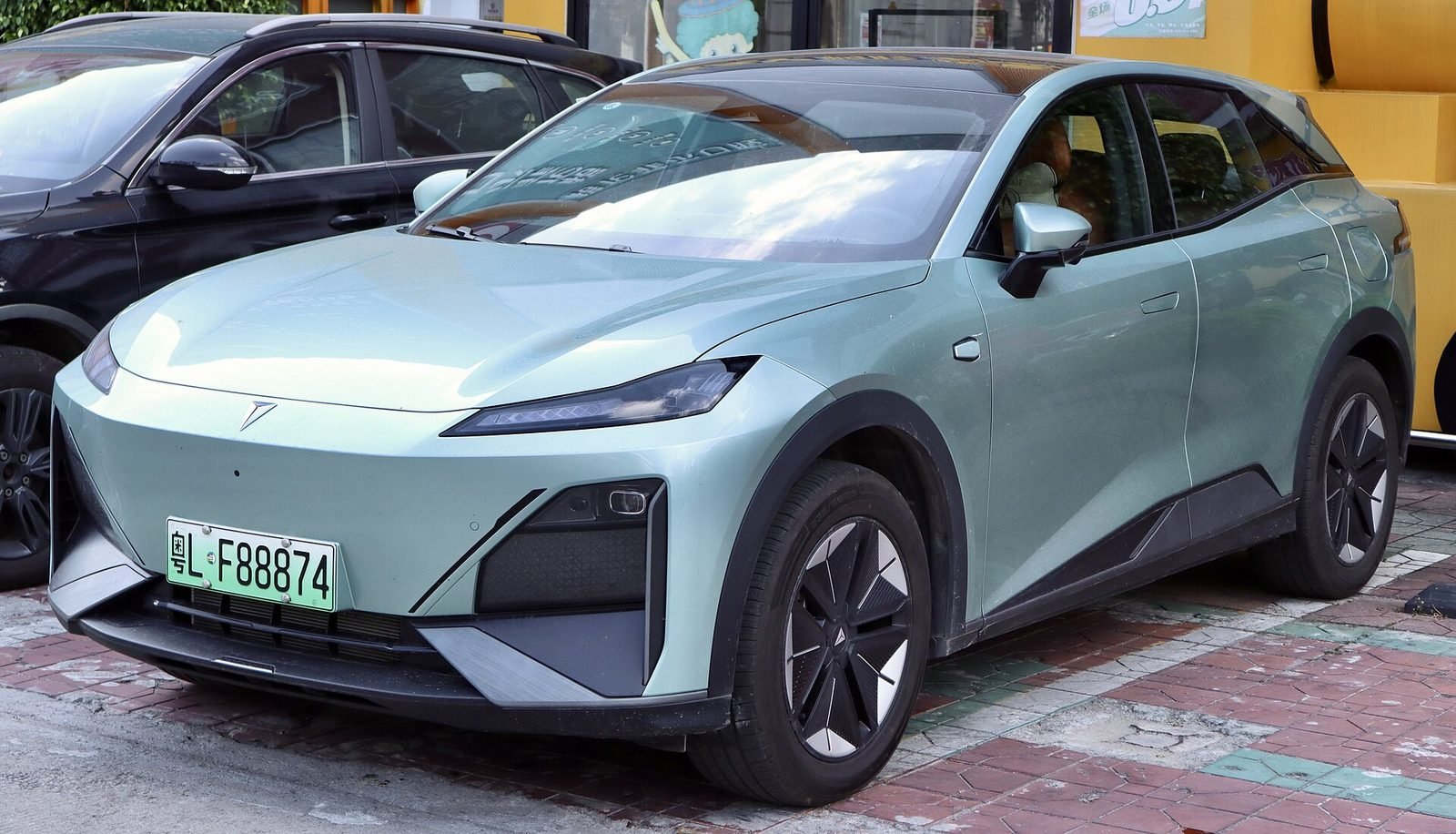
% of the premium segment — Gulf Auto model. The five per cent Chinese share is the figure to watch: it was zero in 2023. The premium segment is the last unbreached redoubt, and current attempts — Zeekr, Lynk & Co and others — are being tested in it now.
The number to watch is the Chinese five per cent: it was zero in 2023. This segment is the last unbreached redoubt, and current attempts are being tested in it now.
Will they succeed? Historical experience says breaking into the premium segment is far harder and slower than breaking into the middle. Lexus needed roughly two decades to establish its position, and Genesis is still mid-journey after ten years. The reason is that what is bought in this segment is not the product alone but what it says about its owner, and that is not built with specifications.
But a new variable may shorten the road: the electric car. The buyer in the premium electric segment is less attached to history and more interested in software and technology — ground on which Chinese marques are advancing. Tesla broke into this segment in about ten years with no history to speak of.
What does all this mean for a buyer in the premium segment? Three practical notes. First, that the comparison should be on total cost over the expected ownership period rather than on purchase price: the gap between options narrows considerably once residual value and servicing are counted.
Second, that out-of-warranty servicing cost is the line that surprises most buyers in this segment. A luxury car in its sixth year costs multiples of what a mid-range car costs at the same age, and that is the real reason behind its used-market prices.
Third, that extended service contracts in this segment are not a luxury but a risk-management tool: their price is known in advance and the alternative is not.
And for anyone studying the market? That the Gulf is a value market rather than a volume market, and that any analysis measuring share by units alone will misjudge where the profit sits. Competition in the regional premium segment is the contest worth watching over the next five years, because that is where profitability concentrates.
Gulf Auto will track premium share and average prices annually: the effect of competition appears there before it appears in unit figures.